 EN
EN


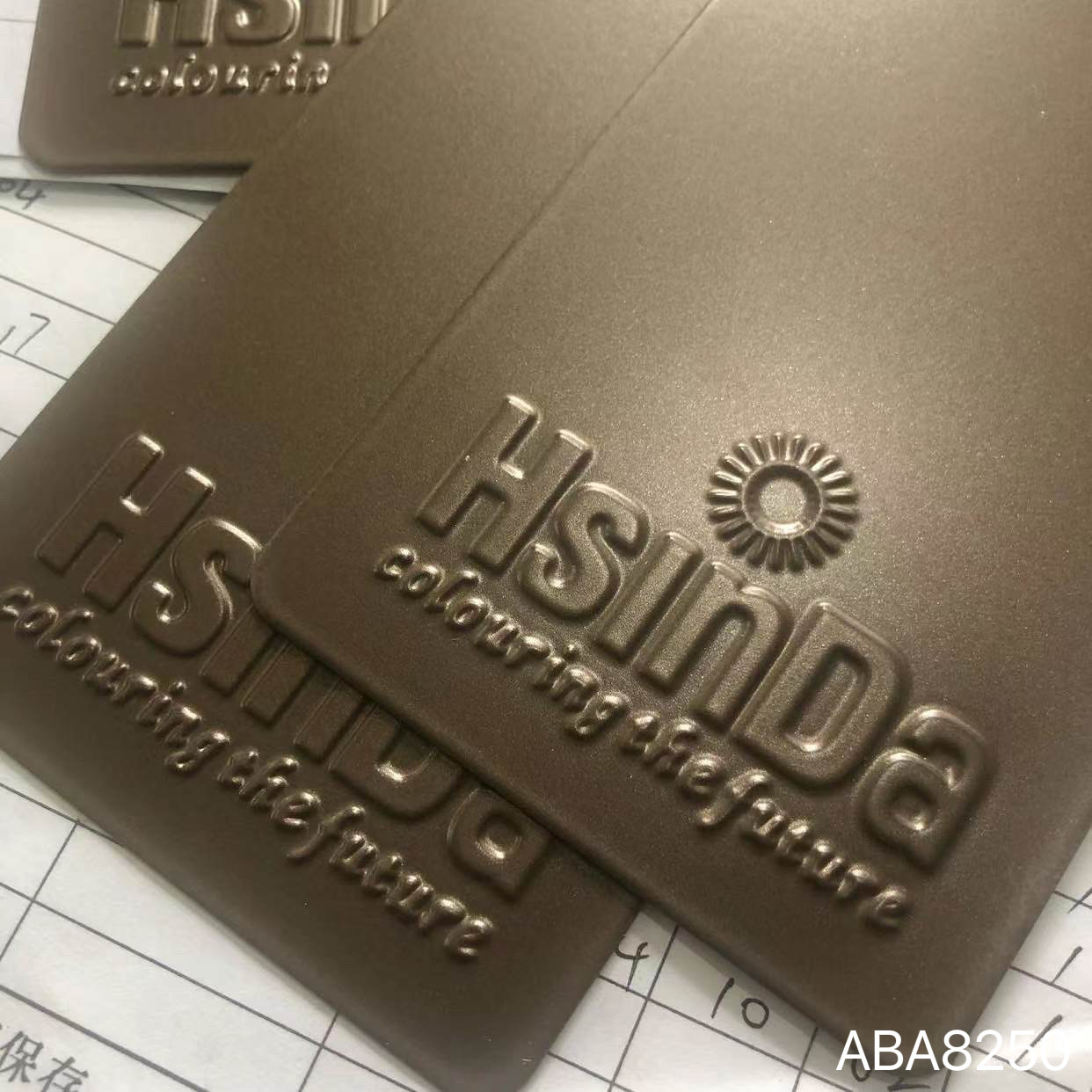
ከፍተኛ የተላካነት ተፈጥሯዊ ብዛት እስከ የኤሌክትሮስታቲክ የፖውደር ኮቲንግ ግንድ ዝርዝር አይነቶች ማሻሻል
የኤሌክትሮስታቲክ የፖውደር ኮቲንግ መሣሪያዎች በትክክል ማስተካከል የተጨማሪ ማፍሰስን ማቀንስ የሚያስችል አስፈላጊ ነው። የተላካነት ተፈጥሯዊ ብዛት—የተወሰነው ወደ ዋናው ነገር የሚያጣምር የፖውደር ቤተሰብ መጠን—በቀጥታ የחומרים ዋጋ እና የክፉር ማቀንስ ላይ ተጽዕኖ ያሳድራል። ሲሆን የተለመዱ የስፕሬይ ዘዴዎች በአጠቃላይ 30–40% ተፈጥሯዊ ብዛት ይሰጣሉ፣ በተሻሻለ ኤሌክትሮስታቲክ ስርዓቶች ደግሞ በተሻለ ሁኔታ እስከ 90% ድረስ ሊገኙ ይችላሉ።
ቮልቴጅ፣ ግራውንድינג እና ፋራዴይ ካጅ ማስወገድ
የቮልቴጅ እሴቱን በ60–100 kV መካከል ያስቀምጡ ለተገቢ የክፍሎች አሞነት ማድረግ የሚያስችል ቢሆንም፣ በጣም ጠንካራ የኤሌክትሮስታቲክ ተቃራኒነት ምክንያት የማይፈጠር በመሆኑ። በተሳሳተ የመሬት ግንኙነት ምክንያት የኤሌክትሮስታቲክ ዲስቾርጅ (ESD) ችግሮች ይከሰታሉ፣ ይህም የፓውደር አቅጣጫን ከዒላማዎች ያለማስተዳድር እና የአፈፃፀም በ15–30% ያቀንሳል። ለስብስብ የሆኑ የጎኖች እንደ የተሰበሩ ክፍሎች፣ የፋራዴይ ካጅ የተመሰረተ ችግሮችን ለመቀነስ የቮልቴጅ እሴቱን ያቀናብሩ (40–60 kV), የስፕሬይ ግንኙነትን ወደ ዒላማው ያጠናቀቁ፣ እና በዝርዝር የተዘረጋ የስፕሬይ አቅጣጫ ይጠቀሙ።
የስፕሬይ ግፊት፣ የአቶሚዜሽን እና የኖዝል ምርጫ ለተወሰነ የዲፖዥሽን
የአቶሚዜሽን ግፊት በตรง መልኩ የክፍሎች መጠን እና የዲፖዥሽን አቀማመሶችን ይነካል። የተሻለው የስ SETTINGS እሴት በየ የፓውደር የማቀጠሪያ ቅርጽ ይለያያል፣ ነገር በአጠቃላይ በ10–30 psi ውስጥ ይገኛል። የኖዝል ምርጫ የቦታ ቅርጽ ግንኙነት ጋር መስማማት አለበት ለከፍተኛ የአድሂዢን እና ለተነካ የባውንስ-ባክ ማስቀመጥ እንዲያስችል።
| የኖዝል አይነት | ተመሳሳይ | ተሻለ መተግበሪያ |
|---|---|---|
| ሙሉ ኮን | ክብ፣ የተመሳሳይ | ተንኮል የተለየ የፀሐይ አካል |
| ዋል ኮን | የራንግ የተመሰረተ | ቡድን የተሰራ መዋቅር |
| ተንሳፋፊ ሰርቭ | የፍሬን መጠን | ድንጋዮች እና ጎንዎች |
ተንሳፋፊ ሰርቭ ማስቀመጥያዎች በሙሉ የኮን ማስቀመጥያዎች ጋር በሚነካው ጎን ላይ በተመለስ ተግባር 22% ያቀሽቀሻሉ። ቅደም ተከተላዊ የማስተካከል ፍተሻዎች አስፈላጊ ናቸው—በመሰረታዊ ድንጋዮች ከ10% በላይ ያለው ልዩነት በአብዛኛው ጊዜ የተራንስፈር ችሎታን በ25–40% ያቀንሳል።
የማስቀመጥ አካባቢን ይቆጣጠሩ እና የበለጠ የተፈለገውን ማስቀመጥ ይጨምሩ ወይም ይስተካከሉ
የቦት ዲዛይን፣ የአየር ፍሰት ፍጥነት እና የማስገኘት ክልል ኦፕቲማይዜሽን
የውስጣቸው የአየር ፍሰት በተቆጣጠረ መልኩ የሚሠራው የቦታ ማቀነባበሪያ (ቦት) በተመሳሳይ ሁኔታ የማንበብ አየርን በተመለከተ በተመረተ መልኩ ለመከላከል የሚያገለግል ዋና መሠረት ነው። የታች ወደ ታች የሚፈስ የአየር ፍሰት ዲዛይን ከክሮስ ድራፍት የተለየ ነው፣ ምክንያቱም እንዲህ ያለ ዲዛይን ከድንጋይ ወደ ታች በቀጥታ የአየር ፍሰት ይፈስሳል እና ወደ የፀሐይ ግራት ይገባል። ይህ የአየር ፍሰት ስርዓት በተወሰነ መልኩ የማንበብ አየርን በ20 እስከ 30 በመቶ ድረስ በበለጠ ያስቀመጣል፣ ምክንያቱም የዚህ ዓይነቱ ትንሽ ክፍሎች በተወሰነ የአሰራር አካባቢ ውስጥ በተለየ መልኩ ይገባሉ። ለተሻለ ውезультат፣ የአየር ፍሰቱ በከፍተኛ ሞዴል በደቂቃ ላይ 80 እስከ 100 ጎዳና ድረስ መንቀሳቀስ ያስፈልጋል። ይህ ፍሰት ፍጥነት የማንበብ አየርን በቀላሉ ይዘው ይዞ ይሄዳል፣ በተመሳሳይ ጊዜ ግን ላይ የሚታገሉ የፀሐይ ተሸካሚዎች ላይ የሚደረገው የፀሐይ ምልክት ሂደት አይበላሽም። በትክክለኛ ቦታዎች ላይ ባፊልስ መጨመር እና የማንበብ አየር የሚሰበሰብበት አካባቢ በትክክል የተጠናቀቀ መሆን ከሌለ የማንበብ አየር በተወሰነ መልኩ ወደ የሚገባበት ቦታ ይሰበሰባል። ይህን ስርዓት የሚጠቀሙ ሰዎች በትክክለኛ መለኪያ መሧሪያዎች በመጠቀም በሁሉም የስራ ቦታ ውስጥ የአየር ፍሰቱ በእኩል መንቀሳቀስ እንዳለ ማረጋገጥ አለባቸው። የአየር ፍሰቱ ካልተመሳሳይ ከሆነ የአየር ፍሰቱ በተለያዩ አቅጣጫዎች ይፈስሳል እና የማንበብ አየር በተመሳሳይ መልኩ ይሰብስባል እና በተመሳሳይ መልኩ በተወሰነ ቦታ ይሰበሰባል እና በተመሳሳይ መልኩ በተወሰነ ቦታ ይሰበሰባል።

የፓውደር ማስመሰል እና መድ reused በማስተካከል እና የስርዓቱ የገንዘብ ማስተዳደሪያ በፍጻሜ ማሳደግ
የፊልተር ውጤታማነት፣ ሲክሎን በተቃራኒነት የካርትሪጅ ማስመሰል ስርዓቶች
ሲክሎን ስርዓቶች በሴንትሪፉጋል сил የኦቨርስፕሬይ ክፍሎችን በማዞር ይሰራሉ። እነዚህ ጥሩ ውезультат ያቀርባሉ፣ በተለይ የላኩ የፓውደር ክፍሎችን በ95% ያስመሰሉ ሲሆን፣ በአሁኑ ጊዜ በ15 ሚክሮን ከታች ያሉ ክፍሎችን ማስመሰል ግን በጣም አስቸጋሪ ይሆናል። ለበርካታ የሚያስፈልጉ ክፍሎች ግን የካርትሪጅ ፊልተሮች የተሻለ ናቸው፣ ምክንያቱም በእንደ የዲፕዝ ፊልትሬሽን ተብሎ የሚጠራው ዘዴ በ99% ከላይ የሚሆን ውጤታማነት ጋር በ10 ሚክሮን ከታች ያሉ ክፍሎችን ያስመሰሉ ናቸው። ግን እዚህ ላይ አንድ አስተዋጽኦ አለ—እነዚህ በፒውልስ ጀት ስርዓቶች በተደጋጋሚ መሰ CLEAN ያስፈልጋሉ፣ ካልሮ በቀላሉ በትክክል ሳይሰሩ ይቆያሉ። የገንዘብ ማስተዳደሪያ እዚህ በጣም አስፈላጊ ነው። የዲያፒራሞችን በተደጋጋሚ ያረጋግጡ እና በተለማመደ ሁኔታ የፊልተር ሚዲያ በ500 ሰዓት የስራ ጊዜ በኋላ ያስተካክሉ። ፊልተር በሙሉ በተሞላ ቢሆን የማስመሰል ውጤታማነት በከፍተኛ ሁኔታ ይቀንሳል—የተለያዩ ጊዜያት እስከ 40% ድረስ። ይህ ማለት የተጨመረ የחומרים ወጪ እና ወደ ላንድፊልስ የሚሄዱ ብዛት የበለጠ ብቅ የሚቀርቡ እና ወደ ምርት ሳይመለሱ ነው።
የተስማሚ ኤሌክትሮስታቲክ የፖውደር ኮቲንግ ስራ ለማድረግ የካሊብሬሽን ፕሮቶኮሎች እና የኦፕሬተር ስልጠና
የተደጋጋሚ የካሊብሬሽን ሥርዓት የመልሰው ስርዓቶች በተገለጸው የስፔክስ እሴት ከ5% ውስጥ መቆየት ያረጋግጣል። በእያንዳንዱ ሦስት ወራት የአየር ፍሰት ሳንሰሮች፣ የቮልቴጅ ሪጋላተሮች እና የፋይድ ጫማ ግቢዎች ማረጋገጫ የተሻለ የተራንስፈር ችሎታ ያስከብረዋል። የኢንፍራሬድ ማስቀመጫዎች በቅደም ተከተል የፖውደር ክስተቶችን ለመነሳት ቀድሞውኑ የግራውንድ ችግሮች ያገኛሉ። በብዙ የስራ ክፍሎች ውስጥ የተ đào የሆኑ ኦፕሬተሮች እና የኤሌክትሮስታቲክ የተቀመጠ ስርዓት እንዴት የሚሰራ በተደበቀ ስለ ስራ የሚያውቁ በትክክል የጉን ቦታ ማስቀመጥ እና በትክክል የተራንስፋር ቁልፍ መቆጣጠር በቀላሉ የኦቨርስፕሪይ ማቀነስ ያስተዋወቃሉ። የምርመራ ሥራዎች ይህንን የተ đào የሆኑ ሰራተኞች በአጠቃላይ የኦቨርስፕሪይ በ30% ያነሰ ያደርጋሉ ይላሉ። የኖዝል መተካት እና የሆፐር ሳውሎች እንደገና የካሊብሬሽን ሥራዎች የሚካሄዱ የስራ ምዝገባ በአንድ አመት ውስጥ በ22% ያነሰ የሚገኝ የፖውደር ክስተት ያስከብረዋል። በወር ሁለት ጊዜ የካሊብሬሽን ፍተሻዎችን የሚተግበሩ እና የኦፕሬተር ስልጠና የሚቀጥሉ ቢሶች በዚህ ስርዓት የሌለው ቢሶች ጋር ሲነጻጸር በ18% የበለጠ የፖውደር እንደገና መጠቀም ያስከብረዋል።