 EN
EN



Industrial Chemical Erosion: Threats and Operational Consequences
Chemical erosion silently degrades industrial equipment, accelerating wear on metal surfaces exposed to acids, alkalis, or solvents. Over time, this corrosion weakens structural integrity—causing leaks, ruptures, or catastrophic failures. Such incidents halt production, trigger costly repairs, and shorten asset lifespan. Safety risks escalate when corroded components release hazardous substances, endangering workers and surrounding communities. Environmental contamination from escaped chemicals can poison soil and water, leading to expensive cleanup and regulatory penalties. Unplanned downtime further compounds financial losses by disrupting supply chains. Plant managers often underestimate how quickly chemical erosion progresses under high temperature or pressure, turning minor pitting into systemic damage. Unlike conventional liquid coatings, thermosetting powder coating offers a permanent barrier that withstands these aggressive conditions—but untreated surfaces remain vulnerable. Recognizing these consequences drives industries to adopt robust protective systems that prevent erosion before it compromises safety, efficiency, and profitability.
Thermosetting Powder Coating Chemistry: Cross-Linking for Superior Barrier Integrity
Thermosetting powder coating achieves its exceptional chemical resistance through a curing process that triggers irreversible chemical cross-linking. The resin powder is applied electrostatically, then heated, causing molecules to bond into a dense, three-dimensional network. This permanent structure cannot be remelted or reshaped, making the coating highly impervious to solvents, acids, and bases. The cross-linked network creates a non-porous barrier that blocks chemical molecules from reaching the substrate, preventing corrosion, swelling, and degradation. Unlike thermoplastic coatings—which soften under heat and allow chemical migration through micro-channels—thermosetting systems maintain their integrity even under continuous exposure to aggressive industrial environments. The chemistry relies on functional groups that react during cure to form covalent bonds with high thermal and chemical stability. This molecular architecture is the foundation of their superior barrier integrity, enabling long-term protection in settings such as chemical processing plants, oil refineries, and automotive underhood components.
Epoxy, Polyester, and Polyurethane Systems: Molecular Drivers of Chemical Resistance
Three resin families dominate thermosetting powder coating formulations, each offering distinct molecular drivers for chemical resistance. Epoxy powders rely on glycidyl groups that react with amine or anhydride hardeners, creating a highly cross-linked, dense network. This structure provides outstanding resistance to acidic and alkaline solutions, as well as organic solvents—making epoxy ideal for pipe interiors and storage tank linings. Polyester systems use carboxylic acid and hydroxyl groups cross-linked with isocyanates or TGIC (triglycidyl isocyanurate). Their ester linkages offer good resistance to weak acids and bases while delivering superior weatherability—essential for outdoor industrial equipment. Polyurethane coatings, formed from hydroxyl-terminated polyesters reacting with blocked isocyanates, produce a flexible yet tough film. The urethane bonds resist hydrolysis and attack from alkalis, giving them an edge in humid or wet chemical environments. By selecting the appropriate resin–cross-linker combination, engineers can tailor the coating’s barrier properties to withstand specific chemical threats while balancing mechanical performance.
Key Resistance Mechanisms: From Film Density to Hydrolytic Stability
Thermosetting powder coating resists chemical erosion through two tightly linked mechanisms: a dense, cross-linked film that blocks molecular entry and a chemically stable matrix that suppresses ion transport and hydrolysis.
Non‑Porous, Cross‑Linked Film as a Diffusion Barrier
During curing, thermosetting powder coatings form a three‑dimensional polymer network with extremely low porosity. The high cross-link density reduces free volume, leaving no continuous pathways for liquids, gases, or dissolved ions to travel. This non‑porous structure prevents capillary action and wicking—common failure modes in less dense coatings. Corrosive agents such as strong acids, alkalis, and organic solvents cannot readily diffuse through the film. The irreversible covalent bonds also remain stable under mechanical stress, so the coating does not swell or soften like thermoplastic alternatives. In practice, an epoxy‑based thermosetting powder coating can withstand thousands of hours of salt‑spray or chemical immersion testing without measurable degradation. The barrier effect is quantified by low permeability coefficients, confirming that the film effectively isolates the substrate from the surrounding chemical environment.
Suppressed Ion Migration and pH‑Resistant Hydrolytic Stability
Beyond physical blocking, the coating’s chemical composition actively resists ion migration. Migrating ions from acidic or alkaline solutions can catalyze hydrolysis, breaking polymer chains and accelerating failure. Thermosetting powder coatings—particularly those formulated with polyester or polyurethane—exhibit strong hydrolytic stability across a broad pH range. The ester and urethane linkages are engineered to resist chain scission even in high‑humidity or wet environments. This stability suppresses electrochemical corrosion on metal substrates and prevents osmotic blistering, a failure mode caused by water‑soluble species migrating through the film. Accelerated aging tests under ASTM B117 conditions demonstrate that the coating maintains adhesion and barrier properties over extended exposure. As a result, components coated with thermosetting powder deliver extended service life in chemical processing, wastewater, and marine applications where pH shifts and moisture are constant threats.
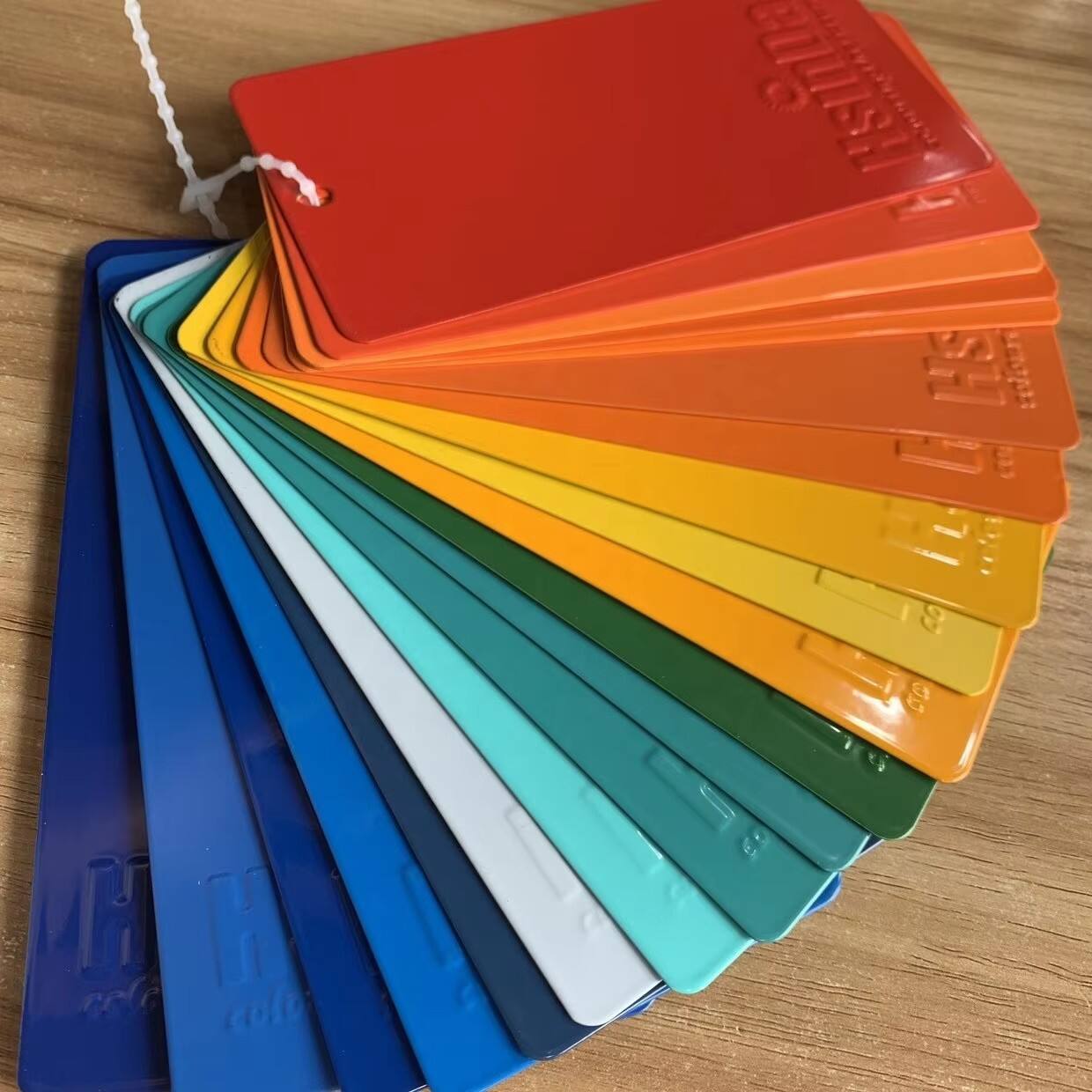
Field-Validated Performance: Thermosetting Powder Coating in Harsh Industrial Service
Long-term field data confirm that thermosetting powder coating withstands extreme chemical environments found in chemical processing and automotive plants.
Chemical Processing and Automotive Case Evidence: Long-Term Immersion & Exposure Data
In chemical processing plants, coated components endure continuous immersion in acidic and alkaline solutions at elevated temperatures. Tests show that after 2,000 hours of exposure to 10% sulfuric acid, the coating retains more than 90% of its initial adhesion and shows no blistering or delamination. Automotive underhood parts face corrosive salts, fuels, and thermal cycling from –40°C to 150°C. Field studies report that thermosetting powder coatings on engine brackets and transmission housings survive over 1,500 hours of salt spray testing without red rust formation. These results stem from the coating’s dense cross-linked matrix, which limits ion penetration and resists hydrolytic breakdown. The combination of chemical resistance and mechanical toughness makes it a reliable barrier in aggressive industrial service.
Table of Contents
- Industrial Chemical Erosion: Threats and Operational Consequences
- Thermosetting Powder Coating Chemistry: Cross-Linking for Superior Barrier Integrity
- Key Resistance Mechanisms: From Film Density to Hydrolytic Stability
- Field-Validated Performance: Thermosetting Powder Coating in Harsh Industrial Service