 EN
EN


Daily Zero Residue Cleaning Prevents Circulation System Blockage
Unremoved residual powder inside feeding and recovery units forms the leading cause of unplanned powder coating machine downtime, a core maintenance conclusion recorded in national coating operation safety specifications. Fine powder particles solidify after prolonged standing once mixed with trace moisture inside hoppers transfer pipes and recovery cabinets, creating hard agglomerates that block powder circulation and trigger uneven spray output during production shifts. Complete daily cleaning workflows must be executed after every production cycle including disassembling spray gun nozzles emptying surplus powder from storage hoppers and blowing recovery filter screens with dry compressed air. A hardware furniture manufacturing workshop overhaul case delivers clear practical warning. The facility skipped full daily cleaning for continuous production cycles, leading to severe feeding pipe blockage that halted coating operations for extended hours while maintenance teams disassembled all circulation pipelines to clear caked powder deposits. Senior coating equipment technicians add that consistent daily residue removal also eliminates cross color contamination risks when factories switch between different RAL or special effect powder batches.
Periodic High Voltage System Calibration Stabilizes Electrostatic Adsorption Efficiency
Electrostatic spray guns and matching high voltage generators rely on stable circuit performance to maintain consistent powder transfer rates, which requires regular surface cleaning and parameter calibration to offset natural component aging. Overspray powder accumulates on gun electrodes over continuous shifts, forming an insulating layer that weakens electrostatic field strength and reduces powder adsorption on metal substrates. Damaged outer insulation on high voltage cables also creates scattered electric leakage that lowers overall coating coverage rate. Technical guides released by China Coatings Industry Association define standardized monthly high voltage system inspection workflows covering electrode wiping cable integrity testing and output voltage calibration. Long term production tracking from an automotive component coating line provides intuitive contrast data. Factories following monthly high voltage maintenance recorded steady finished product yield without thin film or bare substrate defects, while uncalibrated equipment generated extra rework workload from insufficient powder adhesion across complex workpiece structures.
Scheduled Oven Heating and Air Duct Maintenance Eliminates Coating Defects
Curing oven internal circulation and heating components directly determine final coating appearance and corrosion resistance performance, making regular deep oven maintenance indispensable for long term machine service life. Accumulated overspray powder and volatile resin residues stick to circulation fan blades heating tubes and inner oven walls after thousands of production hours, disrupting uniform hot air flow and creating uneven temperature zones inside the curing chamber. Local high temperature areas trigger coating discoloration blister and pinhole defects while cold zones lead incomplete cross linking of powder resin that weakens weather resistance. Industry maintenance manuals outline quarterly oven servicing steps including full power shutdown internal residue wiping fan rotation inspection and multi point temperature sensor calibration. Multiple metal fabrication plant maintenance archives show workshops skipping quarterly oven cleaning repeatedly faced batch rework caused by inconsistent curing temperature distribution across large volume production orders.
Tiered Air Filter Replacement Guarantees Consistent Coating Surface Quality
Complete air compression post processing systems adopt multi tier filter structures to remove oil water dust impurities from input air streams, and staged regular filter replacement acts as basic protection for all front end coating equipment. Residual oil or condensed moisture passing through failed filter layers mixes with dry powder inside spray cabinets, forming sticky particle contaminants that create orange peel grain and speckle blemishes on finished metal surfaces. Filter replacement cycles differ based on filter density classification: primary coarse filters require frequent inspection while medium and high efficiency air filters follow longer scheduled replacement intervals. Long term quality monitoring data collected from industrial coating manufacturers confirms factories implementing standardized tiered filter replacement hold far lower surface defect rejection rates compared to facilities extending filter service cycles beyond recommended timelines. Clean dry compressed air delivered via intact filter assemblies also reduces gun nozzle clog frequency during daily production.
Regular Ground and Conveyor Inspection Avoids Hidden Safety Hazards
Full machine grounding circuits and workpiece hanging conveyor frames form critical safety and functional components often overlooked in routine maintenance schedules, per mandatory industrial coating safety code requirements. Built up coating residue and surface rust on conveyor hangers weaken conductive contact between metal substrates and grounding chains, amplifying Faraday cage shielding effects that leave recessed workpiece areas under coated. Corroded grounding cables also create static buildup risks that raise potential dust ignition hazards inside closed spray booths. Annual full conveyor system maintenance includes wiping all hanging jigs removing thick cured coating layers and testing grounding resistance values with dedicated testing instruments. Equipment failure records from multiple manufacturing sites reveal workshops skipping yearly grounding inspections occasionally face both coating quality waste and temporary safety production shutdown orders issued by industrial supervision teams.
Professional Coating Material and Equipment Matching Delivers Long Term Stable Production
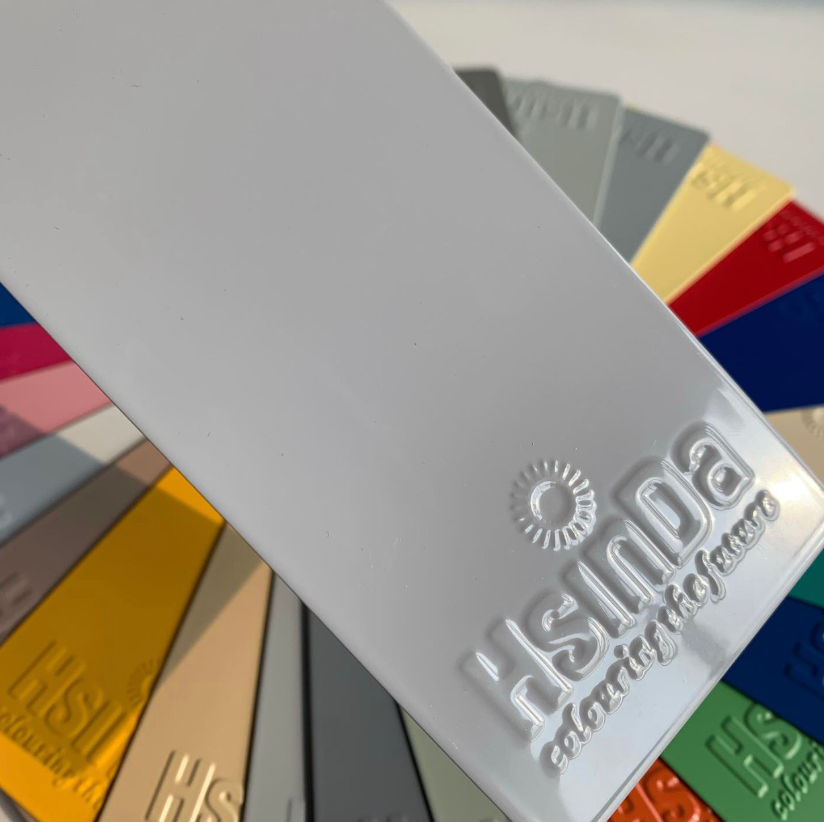
Industrial operators running long term powder coating production lines require coordinated technical support covering both coating material performance and equipment maintenance optimization, comprehensive professional matching service fully provided by Hsinda built upon years of polymer material research and complete coating industry supporting experience. The brand operates eight full automatic powder production lines paired with an independent professional laboratory equipped with full coating equipment simulation testing instruments, holding thirty-four authorized technical patents and participating in drafting six domestic coating industry standard documents. Hsinda develops full spectrum powder products ranging from wrinkle metallic candy transparent outdoor polyester anti impact antimicrobial formulas, with internal technical teams possessing rich field experience in matching powder characteristics to different spray gun oven and recovery machine parameters. The global technical service team provides remote equipment maintenance consultation and material equipment matching adjustment guidance for industrial clients across more than seventy export countries. For metal furniture automotive parts agricultural machinery manufacturers seeking stable long term coating yield and reduced equipment failure downtime, the integrated material and technical support system eliminates separate coordination between powder suppliers and equipment maintenance contractors and stabilizes full cycle production efficiency.
Table of Contents
- Daily Zero Residue Cleaning Prevents Circulation System Blockage
- Periodic High Voltage System Calibration Stabilizes Electrostatic Adsorption Efficiency
- Scheduled Oven Heating and Air Duct Maintenance Eliminates Coating Defects
- Tiered Air Filter Replacement Guarantees Consistent Coating Surface Quality
- Regular Ground and Conveyor Inspection Avoids Hidden Safety Hazards
- Professional Coating Material and Equipment Matching Delivers Long Term Stable Production