 EN
EN


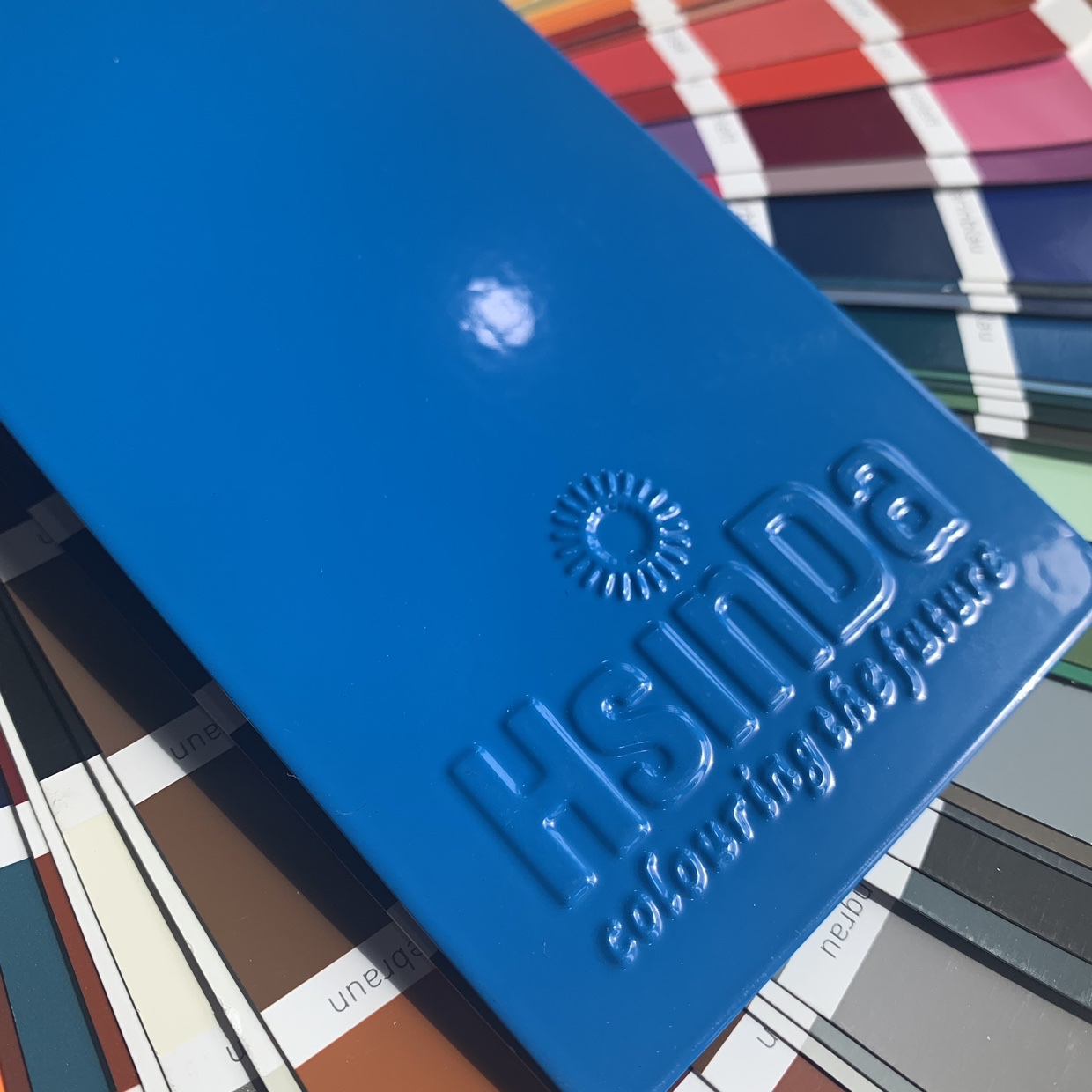
Superior Corrosion Resistance: How Anti-Corrosion Coating Powder Outperforms Alternatives
Electrostatic Application and Dense Film Formation: Enhancing Barrier Integrity Against Moisture and Electrolytes
When applying coating powder, electrostatic charge helps it stick evenly across surfaces, including those tricky shapes and corners. The result? A smooth, chemical bond forms that's actually 4 to 10 times thicker than regular liquid coatings. After curing through heat, this creates a solid protective layer that stops water from getting in and prevents electrolytes from causing damage, which are main reasons metals start corroding. Tests back this up too. When done right, powder coatings can last over 4,000 hours in those harsh salt spray tests (ASTM B117) without showing any signs of rust underneath. What makes powder different from solvent based options is how it completely avoids those tiny cracks where failures happen. No VOCs means no trapped solvents creating weak spots, so even if there's a scratch, corrosion doesn't get a foothold. Looking at accelerated weather tests, these coatings beat liquid epoxies in damp conditions by nearly 7 out of 10 times.
Proven Durability and Extended Service Life in Real-World Industrial Environments
Coating powder delivers field-proven longevity across critical infrastructure—not just in labs, but under real-world stressors like saltwater immersion, UV exposure, thermal cycling, and aggressive chemical contact.
Lab-to-Field Validation: 3,000+ Hours ASTM B117 Salt Spray Resistance and 12-Year Offshore Wind Gearbox Performance
Industrial durability is validated through both standardized testing and long-term operational data. Key benchmarks include:
- 3,000+ hours resistance in ASTM B117 salt fog testing, exceeding marine equipment standards
- 12-year service life documentation from offshore wind turbine gearboxes—exposed continuously to saltwater immersion and cyclic mechanical loading
Field evidence reinforces these results: tidal energy converters showed zero delamination after 8 years of deployment, while petrochemical valves retained 94% surface integrity following decade-long exposure to corrosive process chemicals. This resilience translates directly into extended maintenance intervals and fewer lifecycle interventions.
Long-Term Cost Efficiency: Lower TCO Through Reduced Maintenance and Eliminated Rework
Lifecycle Cost Analysis: 42% Lower 10-Year TCO vs. Liquid Coatings Driven by Zero-VOC Application, No Solvent Trapping, and Extended Inspection Cycles
Industrial facilities realize a 42% lower Total Cost of Ownership (TCO) over 10 years with anti-corrosion coating powder versus liquid alternatives. This advantage stems from three interrelated operational efficiencies:
- Zero-VOC application, eliminating environmental compliance overhead and hazardous waste disposal costs
- No solvent trapping, preventing the blistering and delamination responsible for 73% of liquid coating failures in high-humidity environments
- Extended inspection cycles, reducing maintenance labor by up to 60% (per 2025 asset management benchmarks)
Assets coated without solvents see around 4 full workdays saved each year on unexpected maintenance needs. The thicker films produced by powder coatings are also free from defects, which means they last much longer before needing touch ups typically stretching out to well over 12 years compared to just 4 for regular epoxy coatings. Looking at all the extra costs throughout their life cycle including things like shutting down production lines, setting up scaffolding, getting surfaces ready, and managing containment areas, companies save approximately $18.50 per square meter when using powder coatings over ten years. What was once seen purely as an expense now becomes something that actually adds real value to operations in the long run.
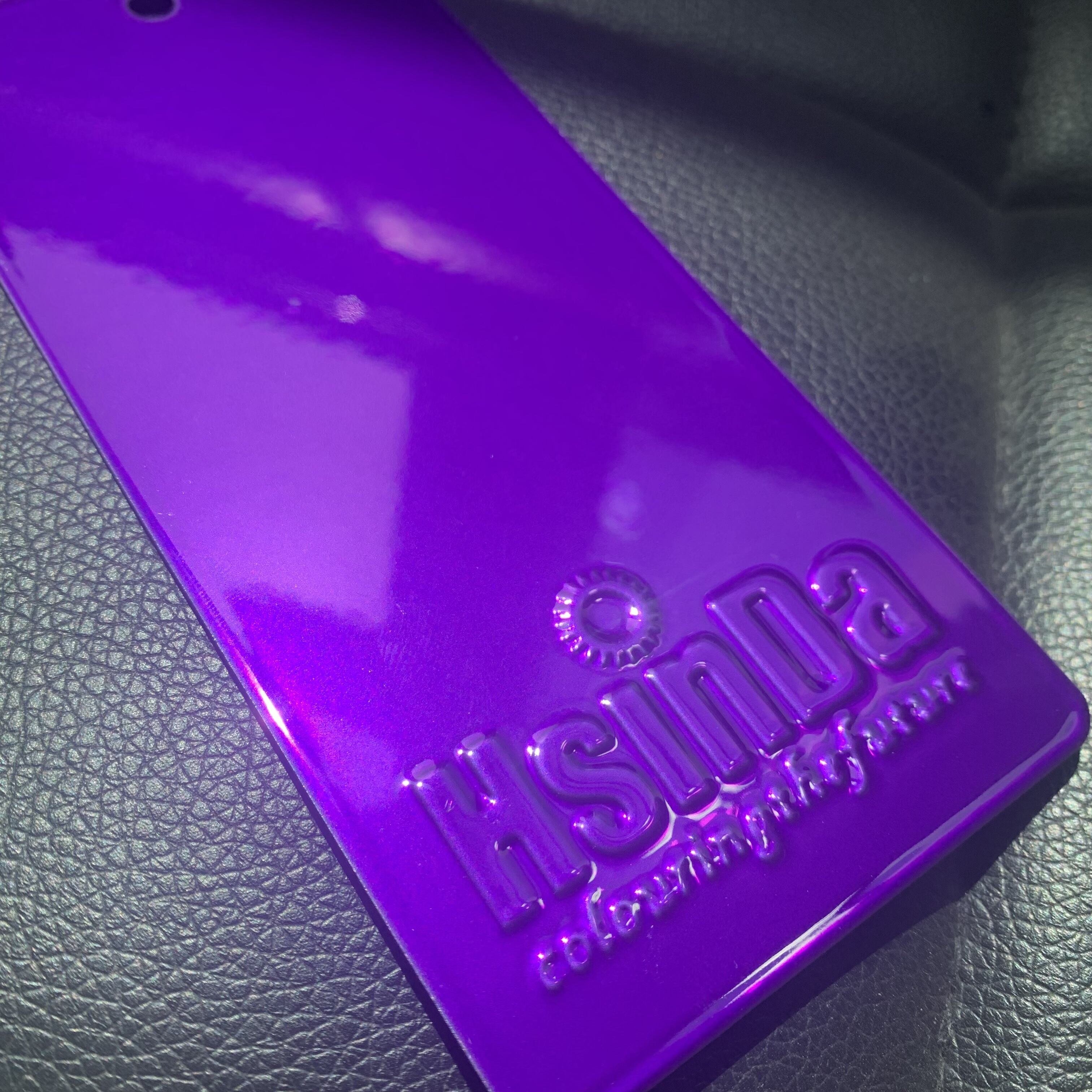
Operational Reliability: Mitigating Unplanned Downtime with Consistent Coating Powder Performance
The cost of unplanned downtime hits manufacturers hard in the wallet. On average, companies can expect to lose around $260k every single hour their production lines are offline. That's why many facilities are turning to coating powders as a solution. These materials offer much better reliability than traditional options because they just don't fail as often. The way these powders stick to surfaces using static electricity means they cover all those tricky areas where coatings usually break down first. Think about those joints between parts, sharp edges, and deep recesses in equipment components. Liquid coatings tend to leave gaps there due to poor flow characteristics or solvent issues during drying. Powder coatings cure evenly throughout the material, giving plant managers something they desperately need protection that works the same way every time it's applied.
The thermosetting polymer matrix forms an impenetrable barrier against moisture, UV degradation, and chemical attack. Field studies confirm protective integrity lasts 12–15 years in extreme settings—including offshore platforms and chemical processing plants. This durability delivers measurable reliability gains:
- 40% fewer emergency maintenance interventions
- 60% longer intervals between scheduled shutdowns
- Near-zero coating-related component replacements
By preventing premature substrate degradation, coating powder enables predictable scheduling and sustained operational availability. Facilities using powder-coated assets report 98%+ operational availability rates, a critical benchmark for industries where continuous production dictates profitability—and where emergency repairs in hazardous zones pose avoidable safety risks.
Table of Contents
-
Superior Corrosion Resistance: How Anti-Corrosion Coating Powder Outperforms Alternatives
- Electrostatic Application and Dense Film Formation: Enhancing Barrier Integrity Against Moisture and Electrolytes
- Proven Durability and Extended Service Life in Real-World Industrial Environments
- Long-Term Cost Efficiency: Lower TCO Through Reduced Maintenance and Eliminated Rework
- Operational Reliability: Mitigating Unplanned Downtime with Consistent Coating Powder Performance