 EN
EN
Unmatched Durability: How Powder Paint’s Thermal Curing Enhances Structural Longevity
Molecular Bonding and Cross-Linked Polymer Matrix Resist Mechanical Fatigue
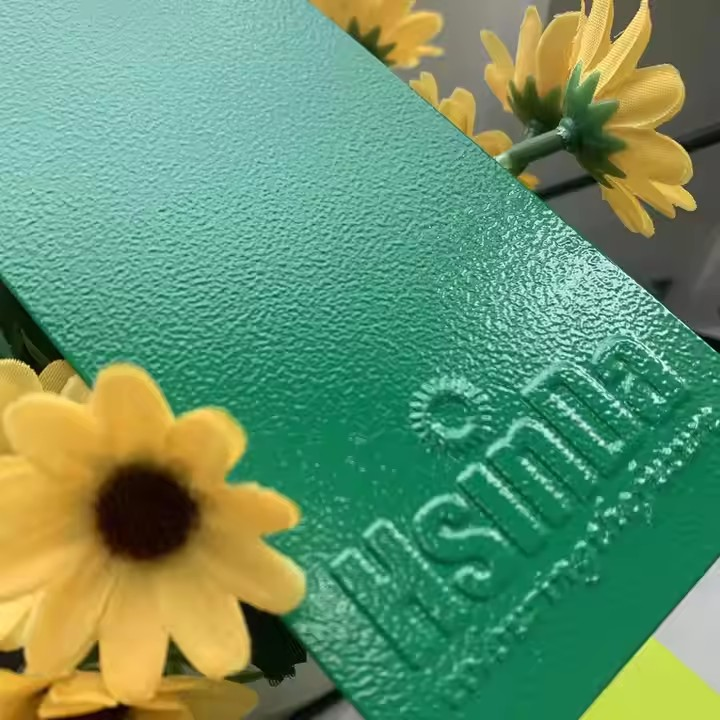
Powder paint stands out for its incredible durability because of how it cures when heated. The heat creates strong chemical bonds between the coating particles and whatever surface it's applied to. What happens is pretty remarkable actually. The coating becomes this thick network of connected polymers that just doesn't break down easily under all sorts of stress. Think about impacts, constant vibrations, or things getting knocked around repeatedly during normal operation. Regular liquid paints stick to surfaces through simple physical contact, but powder paint works differently. Its chemical bonding makes it much harder for tiny cracks to start forming or spread across the surface. Tests show these powder coatings can handle deformation forces about three times better than traditional solvent-based options according to ASTM D2794 standards. That's why so many manufacturers choose powder coating for their machinery and equipment that gets put through the wringer day after day.
20+ Year Service Life vs. 5–10 Years for Liquid Epoxies and Polyurethanes
The strength and durability of these materials actually means they last much longer in real world conditions. Field research indicates that parts coated with powder can go 20+ years without needing any maintenance work, whereas those treated with liquid epoxies or polyurethanes tend to start breaking down somewhere between 5 and 10 years later. Why does this happen? Well, powder coating forms a protective layer that's basically impenetrable at the molecular level, stopping rust and corrosion from getting through. According to some accelerated testing done recently by AMPP in 2023, there was only about 13% of the usual wear and tear after what would be considered 15 years of normal outdoor exposure. From a practical standpoint for factory managers and plant supervisors, all this adds up to replacing equipment roughly 60% less often than before. And when assets don't need replacing so frequently, the money saved over time becomes pretty substantial for most operations.
Superior Environmental Resistance: Corrosion, UV Fading, and Abrasion Protection
Electrostatic Adhesion and Solvent-Free Formulation Block Electrolyte Ingress
When applied electrostatically, powder paint creates a pretty much flawless coating on metal surfaces without needing any solvents or those nasty VOCs we all know about. Regular solvent-based coatings actually leave tiny little holes behind as the solvents dry out, which means stuff like saltwater from the ocean or harsh chemicals can get right into the metal. Powder paint works differently because it forms this special cured matrix when heated, basically sealing everything up tight so chlorides and acids can't sneak in. This makes a huge difference in how often things corrode, especially important stuff like boats, chemical plants, bridges, and other infrastructure where maintenance costs just keep climbing over time.
QUV Accelerated Testing: >90% Gloss Retention After 5,000 Hours
When we run QUV accelerated weathering tests that simulate decades worth of sun exposure and wet/dry cycles, the results show something pretty impressive for powder paint. After sitting through 5,000 hours of testing, it still keeps around 90% of its original shine. Liquid coatings don't do so well though, typically dropping below 60% gloss retention when put through the same rigors. Why does powder perform better? Well, manufacturers have built UV stabilizers right into the formulation along with pigments that resist fading. These components actually fight off the breakdown caused by sunlight at a microscopic level. We've seen this play out in real life too. Take those massive steel bridges or sprawling solar panel arrays across the country. Even after 15 years or more standing up to whatever Mother Nature throws at them, there's hardly any sign of color loss or surface deterioration. Maintenance crews report needing to touch up these surfaces about 74% less frequently compared to regular old paint jobs.
Lower Lifetime Maintenance Costs: Data-Driven ROI of Powder Paint Adoption
62% Reduction in Lifetime Maintenance Spend (AMPP 2023)
Facilities that make the switch to powder coatings typically see around 62% less money spent on maintenance over time when compared to those using liquid paints, according to AMPP's 2023 report. The reason? Powder just doesn't chip away, peel off, or corrode like traditional finishes do these problems lead to all those annoying touch-ups and complete repaint jobs down the road. What makes this possible is something called a thermoset polymer matrix that basically holds together for years and years without breaking down. That means no more having to repaint every 5 to 10 years as we do with regular liquid coatings. When looking at the big picture, there's less work needed for preparing surfaces before painting again, nobody has to deal with cleaning up solvents anymore, plus the time between necessary maintenance stretches out significantly. All these factors combined really cut down what companies spend day to day running their operations.
Case Study: Automotive Tier-1 Supplier Cut Annual Coating Labor by 74%
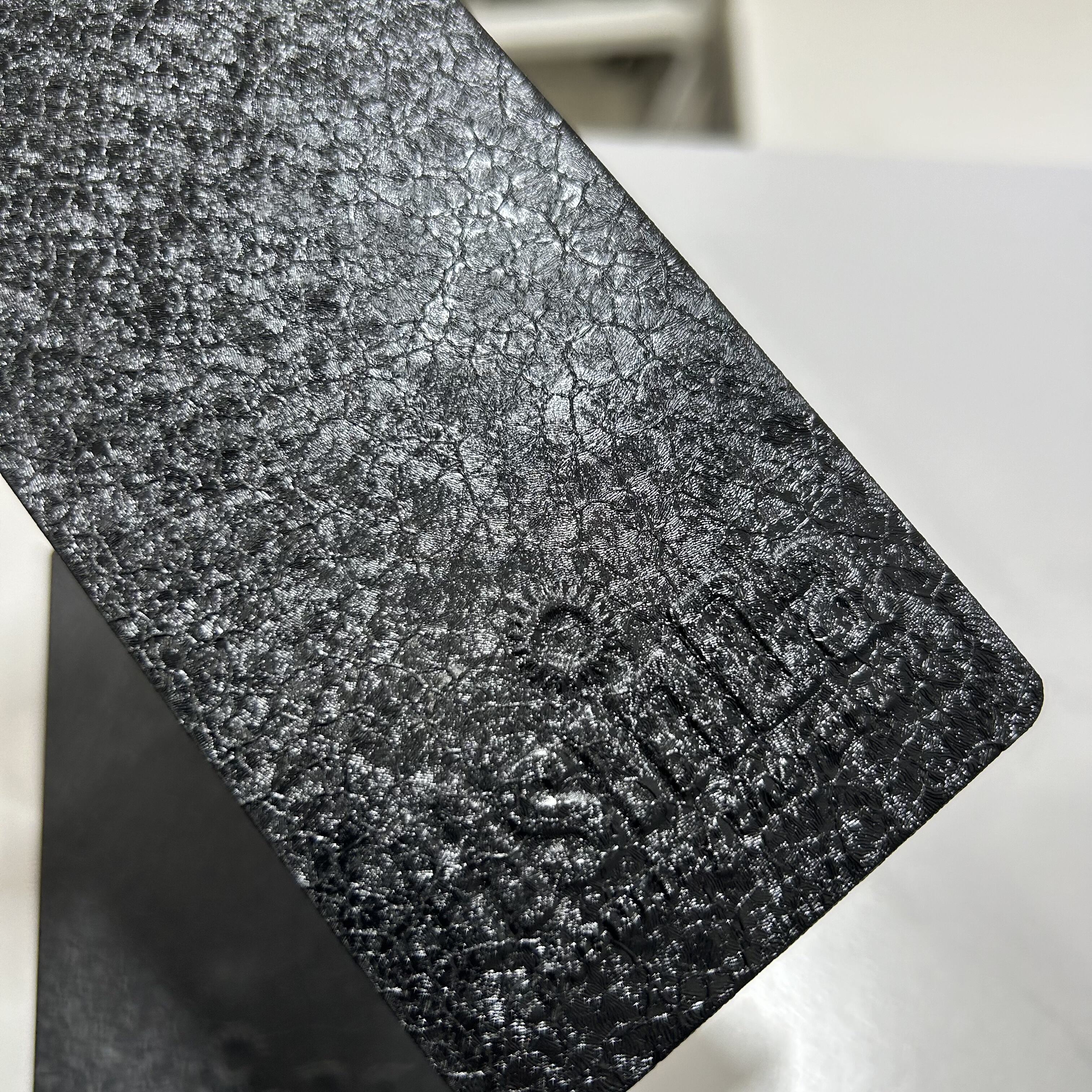
One large automotive parts manufacturer saw their annual coating labor time drop by almost three-quarters when they switched from traditional methods to powder coatings on chassis components. The plant saved time because they no longer had to deal with mixing solvents, changing filters in spray booths, or fixing problems related to poor adhesion. Powder coatings work much better in terms of transfer efficiency too – over 95% compared to just 30 to 40% with liquid paints – which means far less wasted material. Plus, the parts cure faster when heated, so production moves along quicker. And let's not forget about those pesky VOC regulations either. With practically zero volatile organic compounds coming off these new coatings, the company avoided all sorts of compliance headaches. All told, this switch paid for itself within a year, proving once again why powder coatings make financial sense for big manufacturing operations where volume matters most.