 EN
EN

The Wrap-Around Effect: Uniform Coverage on Intricate Geometries
How electrostatic attraction enables conformal coverage across edges, undercuts, and multi-axis contours
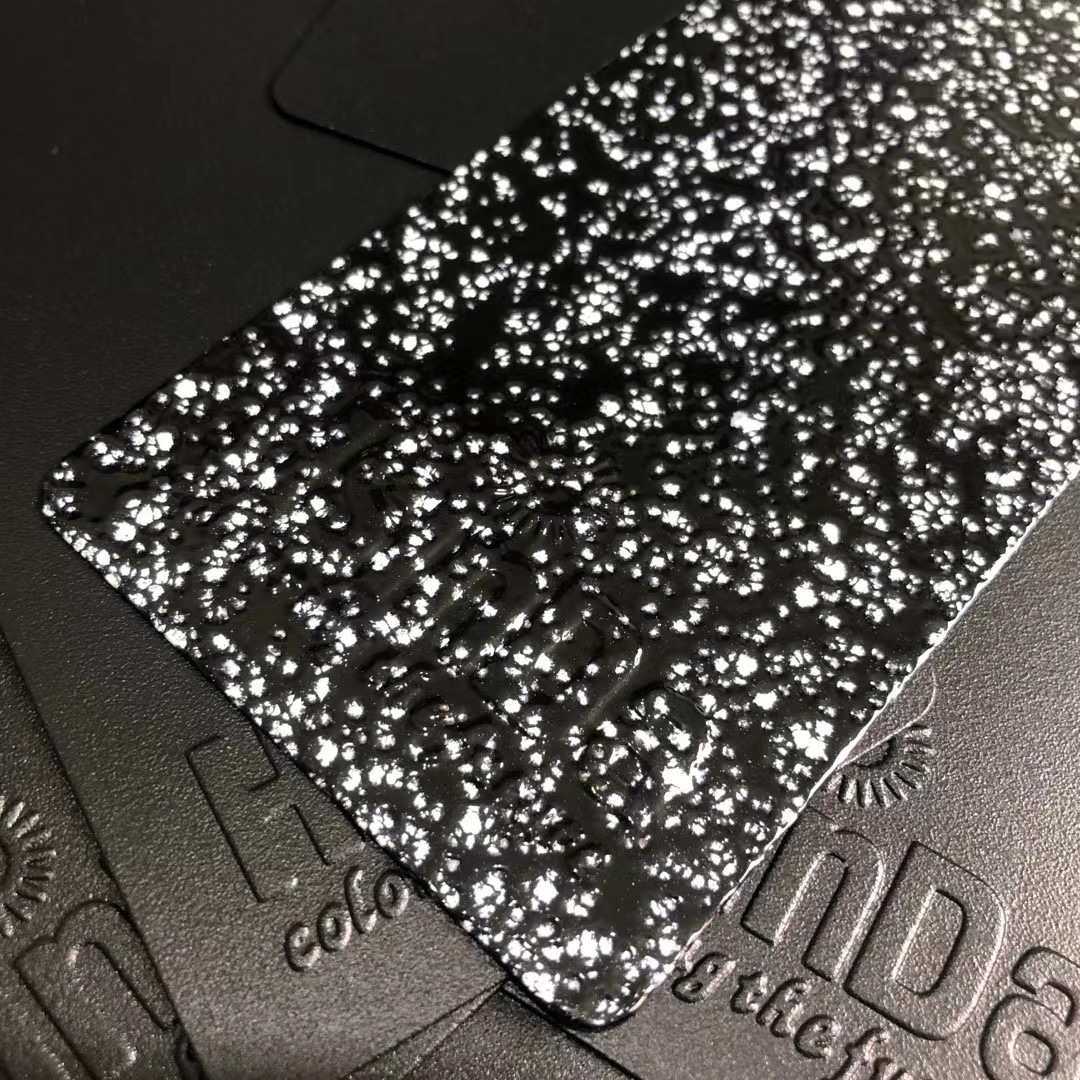
Electrostatic powder coating works by using charged particles that stick to grounded surfaces, kind of wrapping themselves around complicated shapes. This is totally different from regular liquid spray, which tends to pool up or drip because of surface tension. With electrostatic coating, the electric field actually follows whatever shape the object has, pulling the powder evenly across sharp corners, into hidden spots, and even around those tricky multi-axis parts including undercuts. The way the powder flows directionally means there are fewer gaps behind bumps and lumps. What's really cool is it can create super consistent coatings as thin as 2 to 3 mils with about half a mil variation either way, and best of all, nobody needs to keep moving things around manually during application.
Quantifying efficiency: 95%+ transfer rates vs. liquid spray–reducing waste and rework on complex parts
The electrostatic powder coating process gets around 95% material transfer efficiency, which beats the heck out of what most liquid sprays manage at their best (usually somewhere between 30 and 60%). What this means in practice is way less wasted overspray and those pesky volatile organic compounds getting released into the air drop by roughly half to three quarters. Plus, nobody has to deal with those annoying solvent issues where paint runs or sags all over the place. When working on complex components with deep recesses, the fact that powder doesn't sag during curing makes a world of difference when it comes to avoiding costly rework. According to some numbers floating around in the 2023 Finishing Efficiency Report, companies making the switch to powder coatings for detailed parts saw their yearly material expenses shrink by about seven hundred forty thousand dollars. And let's not forget about energy consumption either. Traditional methods need extra power just to evaporate solvents after application, something that simply isn't necessary with powder coatings once they've been cured.
Overcoming Faraday's Cage Effect in Deep Recesses and Cavities
Voltage modulation, part orientation, and gun positioning strategies to penetrate shielded areas
The Faraday cage effect happens when electrostatic fields just vanish inside those tricky recesses or box-like shapes, making it really hard to get good powder coatings on complicated parts. To work around this problem, operators tweak the voltage settings somewhere between 30 and 70 kilovolts while also moving the spray gun closer or farther away depending on what they need. Sometimes they'll tilt the part at about 15 to 30 degrees which helps send more powder into those hidden areas. According to some research from Surface Engineering Journal last year, this simple adjustment can boost coverage in cavities by roughly 30 percent over regular methods. For even better results, many shops now use robots to position their guns precisely and apply pulses of powder instead of continuous streams, cutting down on those pesky shadow spots where nothing sticks properly in U-shaped channels or wherever multiple planes meet.
Surface conductivity enhancement via pretreatment and conductive primers for consistent charge distribution
Getting good electrostatic deposition results on those tricky irregular shapes really comes down to having consistent conductivity throughout. Pretreatment options such as zinc phosphate or iron phosphating create proper charge paths even around all those corners and into the hard to reach undercut areas which makes sure particles stick where they need to. When we apply conductive primers like carbon loaded epoxy, surface resistance drops about 80 percent. This means powder actually adheres well inside those internal cavities that used to be trouble spots, and manufacturers report roughly 22% less rework needed for cast parts according to recent studies from Materials Performance in 2024. And what about when dealing with non metal materials? Silane based conductive coatings work just fine there too, giving similar advantages for charge dissipation across composite surfaces.
Tribo vs. Corona Charging: Selecting the Right Electrostatic Powder Coating Method
Tribo Charging Advantages: Lower Charge Density Improves Recessed Coverage Without Back-Ionization
When powder gets rubbed against non conductive parts inside the applicator gun during tribo charging, it creates static electricity through simple friction. What sets this method apart is how evenly distributed the charge becomes. This balance lets the powder reach those hard spots like deep channels, tight corners, and complex shapes without causing back ionization problems where built up charges start pushing away new particles. For manufacturers dealing with complicated designs that have lots of hidden areas, tribo coating works really well. We typically see coverage rates over 95% right from the first pass, which cuts down on wasted time and materials compared to traditional liquid methods. Most shops report saving somewhere between 30 to 40 percent on both rework costs and raw materials when switching to tribo systems.
Corona Charging Trade-Offs: Higher Deposition Speed vs. Reduced Penetration in Tight Geometries
The corona charging method relies on those high voltage electrodes around 60 to maybe 100 kilovolts to get the air ionized and give those powder particles a good static charge. The process works pretty fast too, about 20 to 30 percent quicker than other methods, which makes it great for big flat surfaces where production volume matters most. But there's a catch. Those intense electric fields create problems in tricky spots like recesses and corners because of what happens with Faraday cages. The result? Uneven coatings, annoying pinholes, or that ugly orange peel look from back ionization messing things up. For complicated parts with lots of nooks and crannies, operators need to tweak voltages constantly, rotate parts strategically during application, and position spray guns just right if they want consistent film quality across the whole surface.
Process Optimization and Long-Term Durability for Industrial Applications
Pre-heating, manual touch-up protocols, and fixture design to ensure film uniformity on intricate components
Getting good results from electrostatic powder coating on complicated shapes starts with heating things up first. Preheating helps the powder stick better initially and flows properly when melted, particularly important for big heavy parts or weirdly shaped items that don't coat evenly otherwise. Special jigs are made specifically for each job to position parts just right so they get full coverage from the electric charge while reducing those pesky shadow spots where no powder sticks. After running through the automatic sprayer, technicians do spot fixes by hand for places where the coating might be too thin, especially in those hard to reach corners and joints where multiple axes meet. Using this combination method keeps problems like gaps, runs, and uneven drying from happening on stuff like engine blocks, valves, and all sorts of industrial pieces that have tricky geometry. Most shops find this works best for their toughest coating jobs.
Proven durability: 20-year service life and ASTM B117 salt-spray validation for electrostatic powder coated equipment
Thermoset powders applied electrostatically offer really impressive lasting performance. We've seen machines coated with these powders last around 20 years even when they're constantly dealing with harsh chemicals, abrasive materials, UV light damage, and physical stress. According to ASTM B117 testing standards, these cross linked powder coatings can handle about 5,000 hours straight in salt spray conditions without showing any blisters or corrosion underneath the film surface. That kind of durability actually beats what we typically get from regular liquid paints. For industries like conveyor belt manufacturing, farm equipment makers, and structural steel work, this means replacing parts costs between 40 to 60 percent less over time. The reason? These powders form a solid polymer layer that just doesn't chip easily and keeps standing up to impacts on surfaces where things get pretty rough.