 EN
EN
High Material Efficiency and Near-Zero Waste
Overspray Reclamation and Full Reusability of Powder Coating Powder
The electrostatic nature of powder coating means most of the material gets used, which is a big plus compared to liquid coatings that create all sorts of hazardous waste from overspray. Modern systems actually capture this excess powder, clean it up, then mix it back into new batches. The result? Around 98 to almost 100% of the powder can be reused again and again. For companies running large operations, this kind of recycling saves about one third to half of their raw materials over time. Plus, there are no costly disposal fees and much less stuff ending up in landfills. Makes sense why so many manufacturers are switching to these kinds of closed loop processes that fit right into today's circular economy thinking.
Transfer Efficiency >95% vs. 30–60% in Liquid Coating Systems
When it comes to electrostatic attraction, we're talking about transfer efficiencies that go beyond 95%. That means most of what gets applied actually sticks to whatever part needs coating. Compare this to liquid coatings where roughly between 40 to maybe even 70 percent just disappears into thin air through things like overspray, solvents evaporating away, or simply running off surfaces. Let's talk money here because the difference hits wallets hard. Spend ten grand on powder coating? Less than five hundred bucks goes to waste. But switch to liquid systems and suddenly that same ten thousand dollars sees anywhere from four to seven grand down the drain. And there's another benefit too. Better transfer rates cut down on how often booths need cleaning and filters have to be replaced by around sixty percent according to those folks at the Powder Coating Institute (PCI) who track these kinds of stats.
Accelerated Throughput via Automation and Process Simplification
Conveyorized Application Enables Continuous, High-Volume Production
Conveyor systems that run automatically keep components moving through spray booths without stopping, which solves the problem of downtime between batches that happens so often in traditional liquid coating operations. These systems come equipped with fixed electrostatic spray guns that deliver even coverage on complicated shapes, eliminating the need for workers to constantly adjust positions manually. According to reports from top automotive manufacturing plants, these automated setups boost production rates by around 58% compared to what they used to get when everything was done by hand. This improvement comes mainly from cutting down on how long parts spend being handled and because the spray guns stay perfectly aligned with whatever surface they're coating. Plus, since the whole operation takes place inside an enclosed space, most of the excess paint gets captured right away for reuse, turning what used to be separate batches into something much closer to continuous production flow.
Single-Step Curing Eliminates Multiple Passes and Labor-Intensive Touch-Ups
Thermosetting powders complete their curing process in just one pass through the oven, usually around 180 to 200 degrees Celsius for about ten to fifteen minutes. This stands in stark contrast to traditional multi-layer liquid coatings which need those annoying flash off periods between each coat application. One big name in European appliance manufacturing reported curing times improved by roughly three quarters when they made the switch from solvent based urethanes. The electrostatic spray method basically eliminates runs and sags altogether, so there's absolutely no need for sanding or any other middle step processes. Defects after curing drop under half a percent, cutting down on rework time by approximately three hours for every thousand products made. When companies combine coating application with the curing process into one streamlined operation, they save on energy costs while allowing skilled workers to focus more on actual quality control rather than fixing defects.
Lower Total Lifecycle Costs Driven by Durability and Reliability
40% Fewer Reworks for Powder Coating Applications (PCI, 2023)
The Powder Coating Institute reported in their 2023 survey that powder coating systems need about 40 percent fewer fixes compared to old school coatings methods. When it comes down to how these coatings apply, they form a much more even layer and create better chemical bonds throughout the surface. This basically gets rid of those annoying problems we all know too well from traditional painting jobs orange peel texture, drips, and those pesky sags where paint just pools somewhere it shouldn't. And when there are fewer issues to fix, manufacturers save time on repairs, avoid stopping production lines so often, and end up wasting far less material overall. For companies running big operations day after day, this difference adds up pretty quickly in both quality control and bottom line savings.
Extended Service Life Reduces Repainting, Replacement, and Downtime
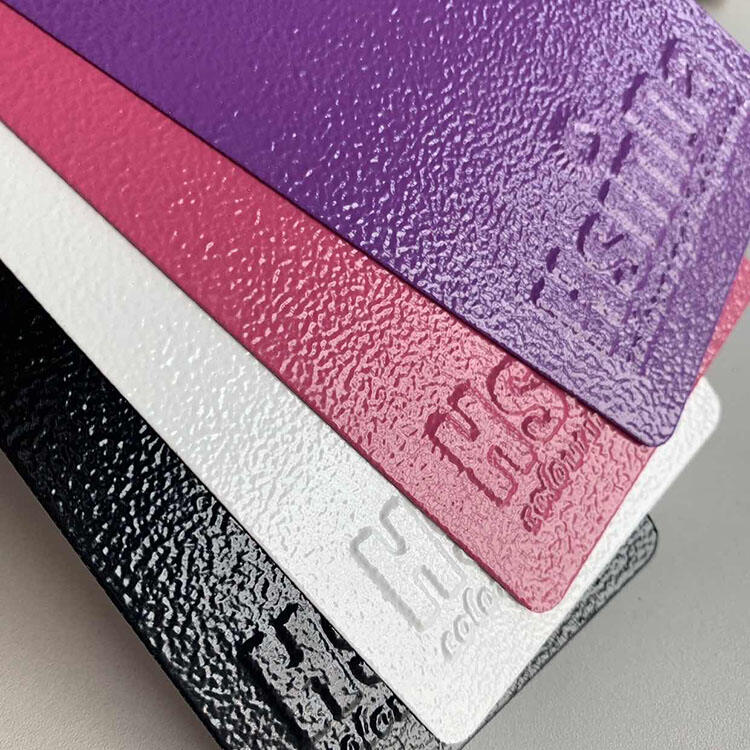
Components coated with powder stand up to corrosion, UV damage, and physical wear much better compared to traditional liquid coatings. The increased durability means maintenance doesn't need to happen as often, typically stretching those intervals out between 5 to 8 years. Companies find they repaint things far less frequently too, which saves both time and money. What's really important is how much less chipping happens, along with fewer instances where the coating just fails completely. These kinds of problems often lead to unexpected production stops, so reducing them makes a big difference. All told, businesses can expect their overall costs over the life of equipment and infrastructure to drop somewhere around 25 to 35 percent when switching to powder coating solutions.
Strong ROI Despite Higher Initial Investment
Powder coating systems require more money upfront compared to traditional liquid options, but they often pay for themselves pretty quickly thanks to how they operate day to day. The waste factor is almost nothing these days, with over 95% transfer efficiency according to industry standards. Plus there's the labor side of things too - automated processes cut down on manual work requirements. And let's not forget about those repair costs either; PCI reports from 2023 show around 40% fewer touch-ups needed overall. When parts last longer without needing recoating, this means less downtime during production cycles which adds up big time. Most manufacturing facilities find that the extra investment gets covered back within just two to three years after installation, then continues saving them between 15% to 30% each year going forward when compared against older coating techniques still used in many shops today.