 EN
EN


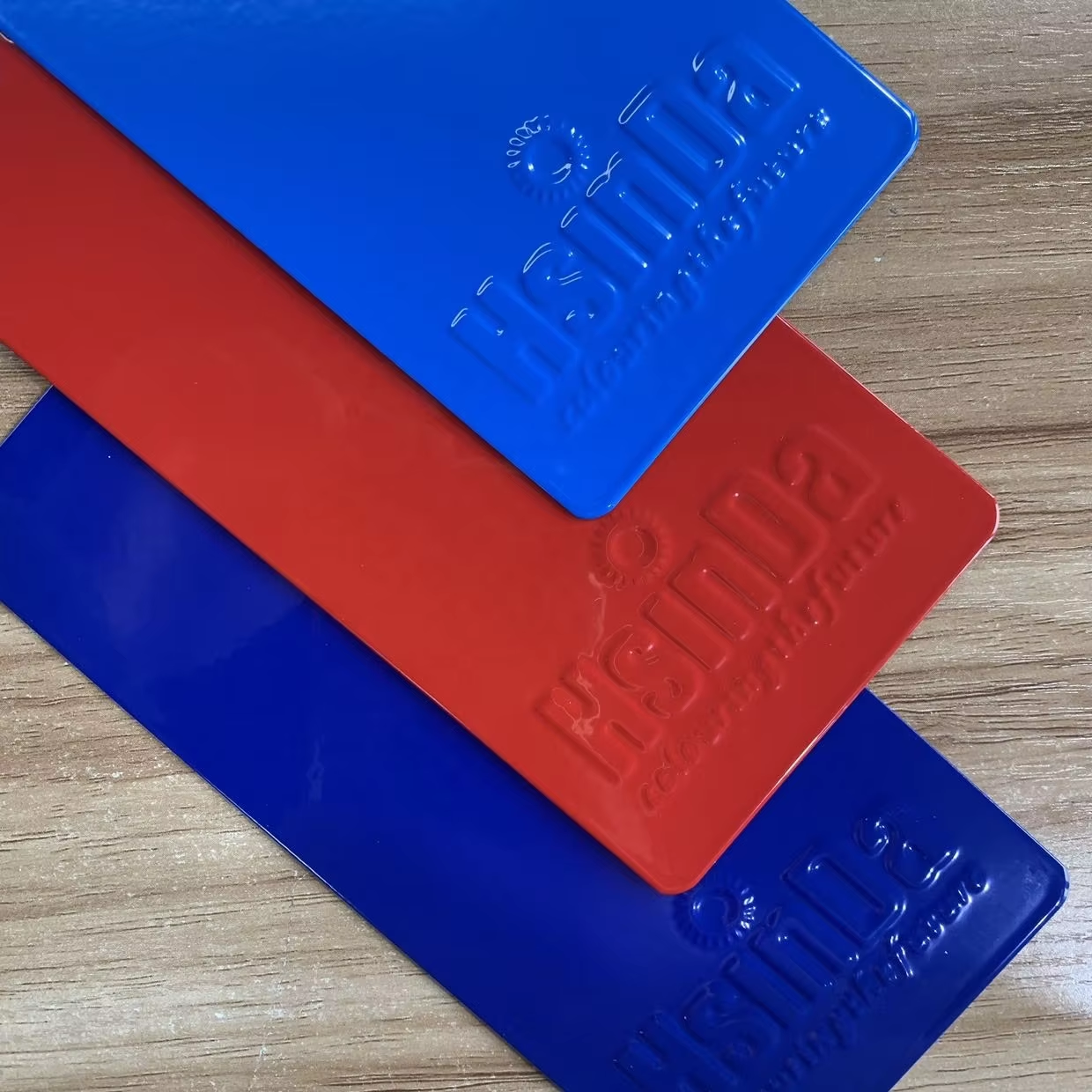
خۆردنەکەی نەهێنراو: زانستی دواوەی پۆلی ئێپۆکسی بەشەوە
کاریگەرییەکی بەرگری: چۆن ماتریکسی ئێپۆکسی بەستراو بە یەکتر ئەلێکترۆلیت و کلۆریدەکان دەگیرێت
پۆلی ئێپۆکسی بە شێوەی پودر، لە رێگەی تۆڕێکی مالیکولی بەستراوەیەوە کە فیلمێکی گەورە و کەم-پۆرۆزیتی دروست دەکاتەوە کاتێک دەجوڵێتەوە. ئەم سترەکچەرە سێ-ئاوێتەیە بەشێکی بەهێز دەبێت لە بەرگریکردن لە ئەلێکترۆلایتەکان، کلۆریدەکان و شلەوە لە دەستەی گەردەکان. کرداری بەستنەوەی مالیکولی—کە زۆربەی کات لە نێوان ریزینە ئێپۆکسییەکانی بیسفینۆل-A و دایسیاندیامید دەبێت—بەرگرییەکی بەردەوام و هاوبەش دروست دەکات کە بەهێزترین کەمی پەڕبوونی هەیە. توێژینەوەکانی پیشەسازی نیشان دەدەن کە پۆلە ئێپۆکسییەکانی بە باشی بەکارهێنراوە دەتوانن خێرایی خۆرناوی لە قەبارەی ٩٠٪ کەم بکەن بە مقایسە لەگەڵ فولادی نەپاراستراو. بۆیە، ئێپۆکسی بەستراوە بە گەرمی (FBE) بەکاردێت وەک ستانداردێکی سەرەکی بۆ ئەم زەمینە سەرەکییانە وەک بارەکانی کۆنسێرت، پایپەکانی نەوت و گاز، و سیستەمەکانی پاککردنەوەی ئاو—ئەم زەمینەیانەی کە بەرگری بەردەوام لە شلەوە و گەڕانی کلۆرید نابێتە بەشێکی ناچاری.
سوودەکاریی ئێلێکترۆکیمیایی: ڕابەرکردنی دەرکەوتنی کاتۆدی و گەڕانی ئایۆنەکان
Li jêr karî fizîkî ya xwe ya parastinê, pêşîgirî ya epoksî ya tozî stabîlîteya elektrokîmyayî peyda dike bi çêkirina girêdanek hêja li ser rûyê metalek û kontrolkirina delamînasyona katodî—ku ew e ku pêşîgirî li ser rûyê pêşîgirî li ser kêmahiyan e ku ji ber şertên qelawî li ser cîhên katodî pêk tê. Tiştê girîng a wê ya ku li hev ve girêdayî ye, difuziyona îyonên xerab wekî klorîd û sulfatên dibe ku anodîk hilweşîn û kêmkirina oksîjenê ya katodî kêm bike. Li ser karînên ku li bin zemînê an jî li bin avê tên bikarhanîn û ku pêşîgirîya katodî (CP) tê bikarhanîn, vê kontrolkirina îyonan daxwazê ya geriya CP kêm dike û dema jiyana pergalê dirêj dike. Tevahiya girêdana hêja û permeabilîteya nîzîkî sifir ya îyonan, integtrîteya bi demdirêj a li ser rûyên ku li ser avê tên berdewam kirin û li ser stresêya elektrokîmyayî biparêzin—ku pêşîgirîya epoksî ya tozî ji bo tiştên ku bi awayekî sînorkirî tên gihîştin an jî bi awayekî naderbasî tên kontrolkirin, gelek baş e.
Performansa hatî pîştrastkirin li ser jiyana sîndromên sîndromên sîndromên sîndromên sîndromên sîndromên sîndromên sîndromên sîndromên sîndromên sîndromên sîndromên sîndromên sîndromên sîndromên sîndromên sîndromên sîndromên sîndromên sîndromên sîndromên sîndromên sîndromên sîndromên sîndromên sîndromên sîndromên sîndromên sîndromên sîndromên sîndromên sîndromên sîndromên sîndromên sîndromên sîndromên sîndromên sîndromên sîndromên sîndromên sîndromên sîndromên sîndromên sîndromên sîndromên sîndromên sîndromên sîndromên sîndromên sîndromên sîndromên sîndromên sîndromên sîndromên sîndromên sîndromên sîndromên sîndromên sîndromên sîndromên sîndromên sîndromên sîndromên sîndromên sîndromên sîndromên sîndromên sîndromên sîndromên sîndromên sîndromên sîndromên sîndromên sîndromên sîndromên sîndromên sîndromên sîndromên sîndromên sîndromên sîndromên sîndromên sîndromên sîndromên sîndromên sîndromên sîndromên sîndromên sîndromên sîndromên sîndromên sîndromên sîndromên sîndromên sîndromên sîndromên sîndromên sîndromên sîndromên sîndromên sîndrom......
Pîştrastkirina li ser jiyana rastîn: Encamên ASTM B117 ya şewatê şoran (>2,000 saetan heya çîrokê ya sor li ser çelikê ya karbonî)
پۆلەی ئێپۆکسی بە شێوەی پودر لە تاقیکردنەوەی ناوسەندی ASTM B117 بۆ بەرگری لە بارانی خوارەوەی خۆرە، زیاتر لە ٢٠٠٠ کاتژمێر دەبێت تا خۆرە سەوزەکە لەسەر فولادی کاربۆن بەرەوە بکەوێت—ئەم خاڵە بەشێوەیەکی گەورە بەکار دێت بۆ بەرھەمھێنانی شرایەتی دەریایی و پیشەسازییە سەختەکان. ئەم تاقیکردنەوەیە خۆرەکردن بەشێوەیەکی خێرا دەکاتەوە بە ڕێگەی بارانی خوارەوەی خۆرە بەردەوام، بەڵام ماتریکسی ئێپۆکسی کە لە کۆتاییدا بەرەوە کراوە، بەرگرییەکەی بەردەوام دەپارێزێت بە ڕێگەگرتن لە گەیشتنی ئەلێکترۆلیت بەسەر زەوییەکە. داتای تاقیگەی سەربەخۆ ئەم خاڵەی کاراییە دەسەڵاتدارە دەسەڵاتدارە دەدەن کە بە شێوەیەکی باش و بەرپرسانە دەستکەوت دەبێتەوە لەگەڵ ئامادەکردنی ڕاستەقینەی سەطح، بەکارھێنان و بەرەوەکردن. بەپێچەوانەوە، زۆربەی رەنگە ھەواڵەکانی کۆنڤانسیۆنەل لە ماوەی ٥٠٠ کاتژمێردا لە ھەمان شرایەتدا شکست دەھێنن. ئەنجینەرەکان بەم ستانداردی ASTM بەکاردێنن بۆ دیاریکردنی پۆلەکان بۆ ئەو زەمینە سەربەخۆیانەی کە ماوەی خزمەتگوزارییەکی درێژیان ھەیە، کە تێکەڵکردنی دووبارە گرانە یان لە ڕێگەی لۆجستیکیدا نابێت.
کاربەرە گرنگەکان: پایپەکانی نەفت و گاز، زەمینەی شاردنی ئاو، و ئامێرەکانی کانزا
لە پێچەوانەی نەفت و گازدا، پودری ئێپۆکسی دژە گازی ترش (H₂S)، گەردەکانی نەفتی خاو و جیھانی بەهەمەوەی بەرز دەبێت کە بەخێرایی لەناو دەبرێنەوە لەسەر پۆڵەکەی کەمتر بەهێز. تەشەنەکانی ئاو بەردەوام لە فولاد دەکەنەوە بە کیمیایی (وەک کلۆرین، ئۆزۆن، کلۆریدی فیریک) و بەهەمەوەی تەواو بەرز؛ بەهۆی بەربەستی باشی چەسپینەوە و بەربەستی کیمیایی ئێپۆکسی، خراپبوونی خوار پۆڵەکە و دروستبوونی بڵاڤەرەکان لەخۆ دەگرێت. ئامێرەکانی کانزاییەتی بەردەوام لە گەردەکانی سەخت، کاری میکانیکی و شلەی ترشەوە لە پرۆسەی کانزا دەبڕێن، کە ئەم کێشانە لەلایەن توانای ئێپۆکسی بۆ بەرگریکردن لە زیان و بەربەستی ئایۆنییەوە دەچرێتە بەر. لەم بوارانەدا هەموو، پۆڵەکی ئێپۆکسی بەکارهێنراو پاراستنێکی بەربەست و بەرگریکردنی بەهێزی چەند جۆرەوە دەبەخشێت—کە دەبێتە هۆی کەمبوونەوەی وەستانی نەپلانکراو، درێژبوونەوەی ماوەی خزمەتگوزاری بەکاردێنەر و کەمبوونەوەی هەموو هەژماری خەرجی مالیەت.
ئاستەکانی پاراستنی باشترکراو بە بەکارهێنانی سیستەمەکانی پۆڵەکی ئێپۆکسی
فۆرمولەکانی ئێپۆکسی پڕکراو بە زینک: هاوکاریی گالڤانیک + بەربەست بۆ فولادی سەخت و ڕیبار
پۆلیمەرەکانی ئێپۆکسی پڕکراو بە زینک چەندین پاراستنی کاتۆدی گالڤانیکی لەگەڵ شەپۆلێکی بەرز-کارا دەبەستێنن. گرانولەکانی زینک بە شێوەیەکی قوربانیکارانە کار دەکەن بۆ پاراستنی فولادی دەرکەوتوو لە سەر بەشەکانی خراپبووەوە یان تەقەکان، لەکاتێکدا ماتریکسی ئێپۆکسی بەستراوە بە یەکەوە هەمان کاتدا شلەکە، کلۆریدەکان و ئۆکسجینەکە دەبەستێت. ئەم ڕێگە دوانەیە بەتایبەتی بۆ فولادی سەختەکانی پردەکان و سیستەمەکانی پیشەسازی کاریگەرە— و ئەمە ستانداردی پیشەسازیە بۆ میلەکانی پاراستن (ریبار) لە کۆنکرێتدا، کە لەو جۆرە کورۆشنەی کە لە کلۆریدەکانەوە دەرئەنجام دەبێت یەکێکە لە سەرەکیترین هۆکارەکانی خراپبوونی ئەستوورەکان. لەوەتەی نەخشەکانی زینک-بەرزی کە لە ڕێگەی شلەکانەوە دروست دەبن، پرۆسەی پۆودەر یەکسانی قەبارەی لاکە، پەوشەی باشی سەرەوە و کەمترین ژمارەی تەقەکانی لاکە دەبەخشد. ئەنجامەکە سیستەمێکی بەهێز و کەم-پشتگیریە کە هەردوو ڕێگەکانی کورۆشنی کارەبایی و فیزیکی دەباتەوە.
ئێپۆکسی لە بەراورد کردن لەگەڵ کیمیایەکانی تری پۆودەر-کۆتینگ بۆ کارەکانی کە کورۆشن گرنگە
ئەنالیزی گەڕانەوە: سنوورەکانی UV لە بەراورد کردن لەگەڵ چەسپینەوەی باشتر، بەرگەشتنی کیمیایی و هێزی چەسپینەوە بە سەرچاوە
Hilbijartina pêşkêşkirina çînê ya optimal ji bo bikaranîna ku li ser korozyonê girîng e, pêdivî ye ku meriv têgihiştinek ron a li ser pirsgirêkên hevbeşê hebe. Epoxy di çînê de baştir e, di berpirsyariya kîmyewî de û di performansa barîyerê de—ku ew ji bo çalakiyên nîşan danîn, rebar, tank, û aliyên derve an jî zelal hatine veşartin, wekî kîmya ya bijartî tê bikar anîn. Lêbelê, têkçûna wê bi UV bi awayekî baş tê nasîn: epoxy ya bê çînê ya serî, di çend mehan de dibe sedema şikandina çînê, zer bûn û xerab bûnê di binê rojhilatê ya rast de, ku hem estêtîk û hem jî berdewamiya hewaya derve vedigire.
Bo bikaranînên derve ku stabîlîteya UV pêwist e, poliûrêtan û çînên polîester ên bi TGIC-vekêşîn, berdewamiya hewaya derve yên baştir peyda dikin—lêbelê, bi kêmasiyên taybetî di berpirsyariya kîmyewî û çînê li ser çîrokê de. Formulasyonên hîbrîd (epoxy-polîester) flexîbîliyet û berdewamiya li dijî şewitandinê baştir dikin, lêbelê têkçûna epoxy-yê bi UV jî digire. Qewetiya têketî li jêr hatiye gerdûn kirin:
| Kîmyaya Çînê | بەردەوامبوونی UV | Berpirsyariya Korozyonê û Kîmyewî | Pirsgirêka Sereke |
|---|---|---|---|
| Epoxy | هەڵکەوتوو | Baş e | Pêdivî ye ku çînêkî serî were bikar anîn bo bikaranîna derve |
| پۆلییورتان | Baş e | Baş e | Berpirsyariya kîmyewî kêm e li gorî epoxy-yê |
| پۆلیستەر (TGIC) | Baş e | ناوەندی | چەسپینەوەی خراپتر لەسەر فولاد بەرامبەر ئێپۆکسی |
| هیبرید (ئێپۆکسی-پۆلیستەر) | هەڵکەوتوو | Baş e | خراپبوونی UV دەبێتە هۆی سەرھەڵدانی ماوەی دراوی دەرەوە |
ئەو شێوازە باشترینە بۆ ئەو ئامرازانەی کە لە دەرەوە کار دەکەن و لەسەر کورۆسیۆن زۆر گرنگن، ئەمەش سیستەمی دوو لاوەکییە: پرایمەری ئێپۆکسی بۆ بەرزترین چەسپینەوە و پاراستنی بەرگری، هەروەها لاوەکییەکی سەرەوەی پۆلیستەر یان پۆلیووریتان کە بەرامبەر UV پارێزراوە. ئەم ڕێگەیەی لاوەکییە سوود لە گەورەترین گەشەی هەر دوو کیمیا دەبەزێنێت— بەرھەمھێنانی بەردەوامی سەختی û بەڵام بۆ کاربەکارییەکانی ناو خانە، تەرمەکراو یان لەسەر ئاو، ئێپۆکسی بەتەنھا هێشتا باشترین چارەسەری تەکنیکی و یەکسانترین لە ڕووی بەھایەوە.
پرسیارەکان و جووڵەکان پێکهاتوو
چی وەکوو ئێپۆکسی بەپودەر کورۆسیۆنی ڕەق دەکات؟
ئێپۆکسی بەپودەر لە بەرھەمھێنانی تۆڕێکی مۆلیکولی بەستراوەیەکی قووڵ بەرھەم دەھێنێت کە فیلمێکی گەرم و کەمپۆرۆزیتی دروست دەکات. ئەمە بەشێوەیەکی کاریگەر ئەلیکترۆلیت، کلۆراید و ڕەشەوە دەبەستێت و لە ئەنجامدا کورۆسیۆن کەم دەبێتەوە.
سەرەکیترین کاربەکارییەکانی ئێپۆکسییەکانی پڕکراو بە زینک چییە؟
پۆلیمەرەکانی ئێپۆکسی بە زینک تێدەگرن کە هەم پاراستنی کاتۆدی گالڤانیک و هەم پاراستنی بەشێوەی دیوارە، کە ئەمەش دەبێتە هۆی ئەوەی بۆ فولادی سەخت و ڕۆدەکانی ئاسنی ناودار لە بەردەشەکان و کۆنسێرتەکان باشترین هەڵبژاردە بێت کە لەو جۆرە شوێنانەدا خۆراپی بەهۆی کلۆریدەوە زۆر ڕوو دەدات.
سنوورەکانی پۆلیمەری ئێپۆکسی بۆ شەشەکان چییە لە بەرامبەر قەڵایی خۆر؟
پۆلیمەری ئێپۆکسی بەشێوەیەکی زۆر بەهۆی قەڵایی خۆر دەخۆشێت و دەبێتە هۆی ڕەشبوون، زەردبوون و لەناوچوون. بۆ کاربەکارییەکانی دەرەوە، زۆربەی کات لەگەڵ پۆلیمەرێکی سەرەوەیی کە قەڵایی خۆری تێدەگرێت بەکار دێت بۆ زیادکردنی بەهێزی.
پۆلیمەری ئێپۆکسی چۆن دەقەڵەوە لەگەڵ کیمیایەکانی تری پۆلیمەر لە بارەی پاراستن لە خۆراپی؟
ئێپۆکسی بەهێزترین چەسپینەوە، پاراستنی کیمیایی و توانای پاراستنی بەشێوەی دیوارە بەراورد بە پۆلیمەرەکانی پۆلیووریتان و پۆلیستەر. بەڵام بۆ کاربەکارییەکانی دەرەوە پێویستی بە پاراستنی قەڵایی خۆر هەیە، لەبەر ئەوەی هەڵبژاردەکانی تر کە قەڵایی خۆریان تێدەگرێت وەک ئێپۆکسی نین.
Naveroka Beşê
- خۆردنەکەی نەهێنراو: زانستی دواوەی پۆلی ئێپۆکسی بەشەوە
- Performansa hatî pîştrastkirin li ser jiyana sîndromên sîndromên sîndromên sîndromên sîndromên sîndromên sîndromên sîndromên sîndromên sîndromên sîndromên sîndromên sîndromên sîndromên sîndromên sîndromên sîndromên sîndromên sîndromên sîndromên sîndromên sîndromên sîndromên sîndromên sîndromên sîndromên sîndromên sîndromên sîndromên sîndromên sîndromên sîndromên sîndromên sîndromên sîndromên sîndromên sîndromên sîndromên sîndromên sîndromên sîndromên sîndromên sîndromên sîndromên sîndromên sîndromên sîndromên sîndromên sîndromên sîndromên sîndromên sîndromên sîndromên sîndromên sîndromên sîndromên sîndromên sîndromên sîndromên sîndromên sîndromên sîndromên sîndromên sîndromên sîndromên sîndromên sîndromên sîndromên sîndromên sîndromên sîndromên sîndromên sîndromên sîndromên sîndromên sîndromên sîndromên sîndromên sîndromên sîndromên sîndromên sîndromên sîndromên sîndromên sîndromên sîndromên sîndromên sîndromên sîndromên sîndromên sîndromên sîndromên sîndromên sîndromên sîndromên sîndromên sîndromên sîndromên sîndromên sîndromên sîndrom......
- ئاستەکانی پاراستنی باشترکراو بە بەکارهێنانی سیستەمەکانی پۆڵەکی ئێپۆکسی
- ئێپۆکسی لە بەراورد کردن لەگەڵ کیمیایەکانی تری پۆودەر-کۆتینگ بۆ کارەکانی کە کورۆشن گرنگە
- پرسیارەکان و جووڵەکان پێکهاتوو