 EN
EN


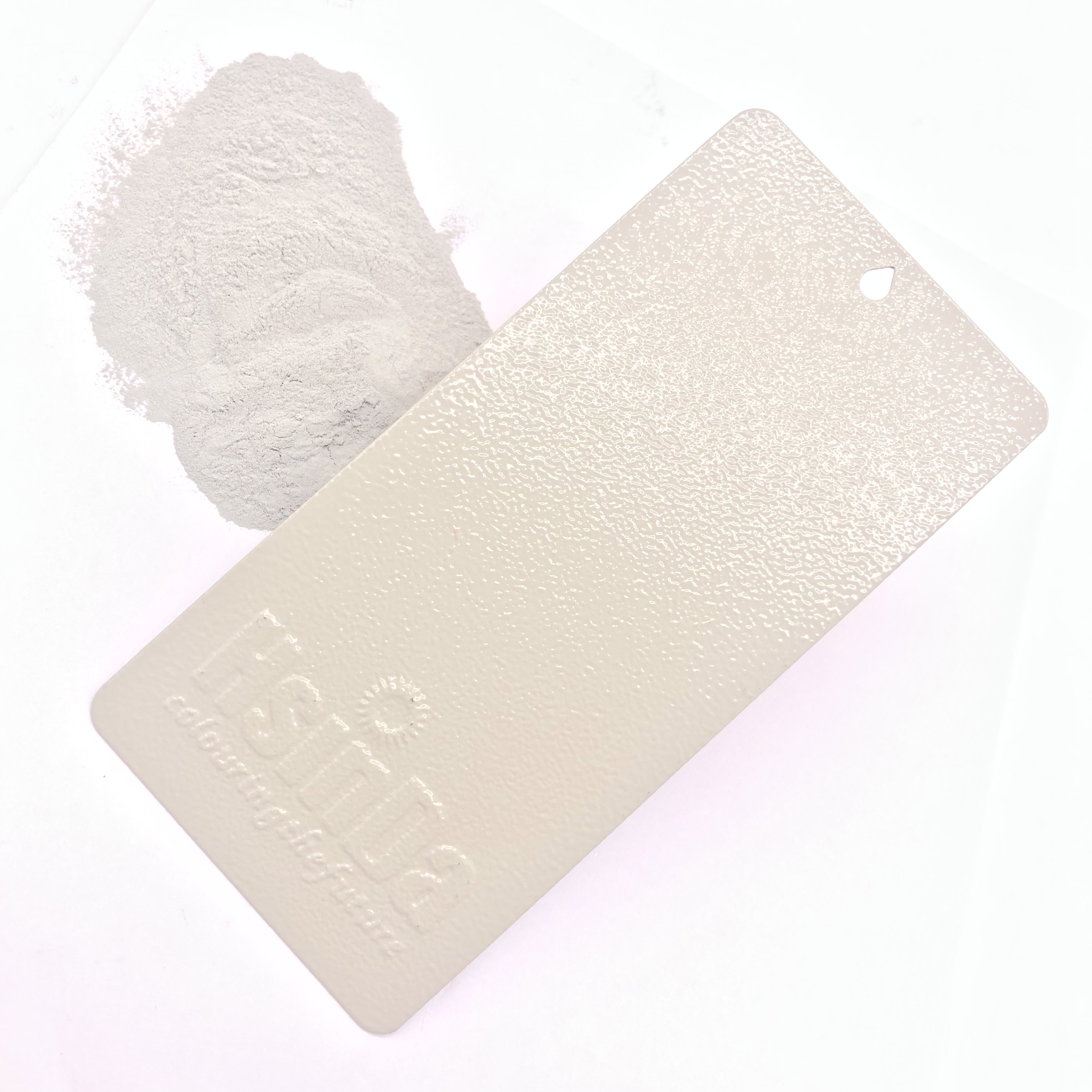
តម្រូវការសម្រាប់ការរៀបចំផ្ទៃសម្រាប់ការលាបពណ៌ជាមួយបាយផ្សិត និងការលាបពណ៌ជាប្រភេទរាវ
ការដំណាំបាយផ្សិតសើម និងការគ្របដណ្តប់ដោយសារធាតុគីមីសម្រាប់ការលាបពណ៌ជាប្រភេទរាវ
សម្រាប់ការអនុវត្តគ្រាប់ពណ៌រាវ ការទទួលបានការការពារពីការឆ្លងកាត់ដែលសមស្រប និងការជាប់គ្នាដែលល្អរវាងស្រទាប់នីមួយៗ មានន័យថា ត្រូវឆ្លងកាត់ដំណាក់កាលប៉ាះទៅសារធាតុស្រទាប់ច្រើនដង។ ជំហានដំបូងជាទូទៅពាក់ព័ន្ធនឹងការប្រើប្រាស់ដំណាំអាល់កាឡាំងដើម្បីសម្អាតប្រេង ឬសំរាមដែលជាប់នៅលើផ្ទៃ។ បន្ទាប់ពីនោះ ត្រូវស្រះសុទ្ធ (rinse) ឱ្យបានល្អ ដើម្បីការពារការប៉ះទៅនឹងគីមីសម្អាតទាំងនេះ ដែលអាចប៉ះពាល់ដល់ជំហានបន្ទាប់នៅក្នុងដំណាំ។ បន្ទាប់មក គឺជាជំហានប៉ះទៅសារធាតុស្រទាប់ដោយប្រើការផ្ទះផ្ទុះដែលមានសារធាតុរាវ (wet abrasive blasting) ដែលធ្វើឱ្យផ្ទៃមានស្តង់ដារ Sa 2.5 តាមស្តង់ដារ ISO 8501-1។ វិធីសាស្ត្រនេះបង្កើតបាននូវភាពខ្សាច់ (texture) ដែលសមស្របបំផុតសម្រាប់ជំហានបន្ទាប់។ បន្ទាប់មក គឺជាជំហានគ្រាប់ប៉ុងគីមី (chemical conversion coating)។ សម្រាប់ផ្នែកដែលធ្វើពីសែល (steel parts) ជាទូទៅប្រើការព្យាបាលដោយសារធាតុសំបកសែល (zinc phosphate treatment) ខណៈដែលអាល៊ុយមីញ៉ូម (aluminum) ប្រើការព្យាបាលដោយសារធាតុក្រូម៉ាត (chromate coatings)។ សារធាតុទាំងនេះបង្កើតបាននូវរចនាសម្ព័ន្ធប៉ែកតូចៗ (tiny crystal structures) ដែលពិតប្រាកដជាប៉ះទៅនឹងការឆ្លងកាត់។ ការគ្រប់គ្រងសារធាតុគីមីទាំងនេះឱ្យបានត្រឹមត្រូវគឺជាការងារដែលសំខាន់ខ្លាំងណាស់។ កម្រិតសំបកសែល (phosphate levels) ត្រូវរក្សាឱ្យស្ថិតនៅជុំវិញ ២០ ដល់ ៣០ ក្រាមក្នុងមួយលីត្រ ហើយ pH ត្រូវតែមានភាពត្រឹមត្រូវខ្ពស់ ក្នុងចន្លោះ ± ០,២ ឯកតា។ រោងចក្រពិនិត្យសារធាតុទាំងនេះរាល់មួយម៉ោង ដោយប្រើវិធីសាស្ត្រតីត្រេស្យុន (titration methods) ដែលបានបញ្ជាក់ក្នុងស្តង់ដារ ASTM D1193 និងអ្វីដែលអ្នកផលិតឧបករណ៍ណែនាំ។ តើអ្វីទៅដែលធ្វើឱ្យការប៉ះទៅសារធាតុស្រទាប់រាវខុសពីការគ្រាប់ពណ៌ប៉ោវដែរ? ការប៉ះទៅសារធាតុស្រទាប់រាវបង្កើតបាននូវទឹកស្រាប់ដែលមានការគ្រប់គ្រង (regulated wastewater) ជាច្រើនប្រភេទ ដែលត្រូវបានធ្វើឱ្យអ៊ីសូឡាទ (neutralizing) ហើយដំណាំស្រាប់ (sludge) បន្ទាប់ពីនោះ។ យោងតាមទិន្នន័យរបស់ស្ថាប័នការពារបរិស្ថាន (EPA) ឆ្នាំ ២០២៣ រោងចក្រភាគច្រើនបានបង្កើតបាននូវទឹកស្រាប់ (sludge) គ្រោះថ្នាក់ចំនួន ៥ ដល់ ៧ កាឡុន សម្រាប់រាល់ ១០០០ ហ្វីតការ៉េ ដែលគ្រាប់ពណ៌។ ការនេះបន្ថែមការចំណាយពិតប្រាកដទៅលើដំណាំ បង្កើតបាននូវបញ្ហាប្រឈមនឹងការគ្រប់គ្រង (compliance headaches) និងបង្កើតគ្រោះថ្នាក់ដល់បរិស្ថាន ដែលគ្មាននរណាម្នាក់ចង់ប្រឈមនឹងវា។
វិធីសាស្ត្រអនុវត្ត៖ របៀបដែលការដាក់ស្រទាប់ថ្នាំប៉ូវឌ័រខុសពីការបាញ់ថ្នាំរាវ
វិធីសាស្ត្របាញ់អេឡិចត្រូស្តាទិក និងវិធីសាស្ត្រគ្រាប់ផ្សារ (Fluidized Bed) ដែលមានតែសម្រាប់ថ្នាំប៉ូវឌ័រ
ការអនុវត្តសំណាញ់បាយផ្សេងៗ (powder paint) កើតឡើងតែប៉ុណ្ណោះតាមរយៈដំណាំស្ងួត ដែលមិនចូលរួមជាមួយសារធាតុដែលប៉ះទង្គិច (solvents)។ ដោយប្រើប្រាស់ប៉ាក់ស្ការ៉េ (spray guns) ដែលមានប្រភេទអេឡិចត្រូស្តាទិក (electrostatic),យើងផ្តល់បន្ទុកអវិជ្ជមាន (negative charge) ដល់សារធាតុប៉ូលីម័រ (polymer) តូចៗទាំងនេះ ហើយវាបានទាក់ទាញទៅរកផ្នែកដែលធ្វើពីលោហៈ ដែលត្រូវបានភ្ជាប់ទៅដី (grounded) ដូចគ្នានឹងរបៀបដែលម៉ាញេទិក (magnets) ដំណាំ។ វិធីនេះបង្កើតបាននូវការគ្របដណ្តប់ល្អណាស់លើផ្ទៃ ហើយវាលេបចូលទៅក្នុងគ្រាប់ជ្រុង (edges) បានយ៉ាងស្រស់ស្អាត ហើយបង្កើតបាននូវការខាតបង់តិចណាស់ ទោះបីជាប្រើសម្រាប់រូបរាងស្មុគស្មាញក៏ដោយ។ នៅពេលផលិតផ្នែកច្រើនៗដែលមានរូបរាងសាមញ្ញ ដូចជាផ្នែកភ្ជាប់ប៉ះទង្គិច (pipe fittings) ឬផ្ទៃបណ្តាញដែលធ្វើពីខ្សែ (wire mesh panels) អ្នកផលិតជាញឹកញាប់ប្រើវិធីសាស្ត្រដែលគេហៅថា «វិធីសាស្ត្រអាកាសចំហ (fluidized bed method)»។ ផ្នែកទាំងនេះត្រូវបានដាក់ក្តៅជាមុន បន្ទាប់មកដុសចូលទៅក្នុងសារធាតុបាយផ្សេងៗដែលបានប៉ះទង្គិចជាមួយខ្យល់ (aerated powder mixture)។ កំដៅពីផ្នែកនេះ បណ្តាលឱ្យសារធាតុបាយផ្សេងៗរលាយ និងភ្ជាប់គ្នាទៅវិញភ្លាមៗ ហើយបង្កើតបាននូវស្រទាប់ការពារដែលមានភាពក្រាស់យ៉ាងឆាប់រហ័ស ដោយសារស្រទាប់ទាំងនេះជាប់គ្នាទៅវិញ។ អ្វីដែលល្អណាស់អំពីវិធីសាស្ត្រទាំងពីរនេះគឺថា វាប្រើប្រាស់លក្ខណៈអេឡិចត្រូស្តាទិក និងកំដៅធម្មជាតិដែលមាននៅក្នុងសារធាតុប៉ូលីម័រស្ងួត។ ដូច្នេះ អ្នកគ្រប់គ្រងការលាប (painters) អាចសម្រេចបាននូវប្រសិទ្ធភាពការផ្ទេរ (transfer efficiencies) ចន្លោះ ៦០% ដល់ ៨០% ក្នុងការលាបម្តងទៀត ដោយមិនប្រើសារធាតុដែលប៉ះទង្គិច និងសារធាតុអាឡៃហ្វាស្ទិក (volatile organic compounds) ដែលបង្កគ្រះថ្នាក់។
ការប្រៀបធៀបប្រព័ន្ធបាញ់សារធាតុរាវ HVLP, Airless និង Electrostatic
ការអនុវត្តសារធាតុរាវលើផ្ទៃគឺពឹងផ្អែកលើបច្ចេកវិទ្យាបំបែកជាប៉ុប្បូល (atomization) ដែលមានចំណុចខ្លាំង និងចំណុចខ្សះខាតផ្សេងៗគ្នា៖
- HVLP (ចំហាយច្រើន សម្ពាធទាប) ប្រើចំហាយច្រើននៅសម្ពាធទាប (ប្រហែល ១០ psi) ដើម្បីកាត់បន្ថយការត្រឡប់មកវិញ (bounce-back) និងការបាញ់ហួល (overspray) ប៉ុន្តែជាញឹកញាប់ត្រូវការការបាញ់ច្រើនដងដើម្បីឱ្យបានភាពស្រទាប់ពេញលេញ និងស្រទាប់ក្រាស់តាមតម្រូវការ
- ម៉ាស៊ីនបាញ់ប្រភេទ Airless បង្ខំសារធាតុឱ្យឆ្លងកាត់ប្រវែងបាញ់តូចៗនៅសម្ពាធ ៥០០–៣០០០ psi ដែលបង្កើតគ្រាប់បាញ់ដែលមានល្បឿនខ្ពស់ សមស្របសម្រាប់ផ្ទៃធំៗ និងរាបស្មើ—ប៉ុន្តែមាននៅការបង្កើតធូលី (fogging), ការបាញ់ជាប៉ុព្វ (misting) និងការគ្របដណ្តប់ជាប់គែមមិនស្មើគ្នា
- ការបាញ់សារធាតុរាវបែប Electrostatic ប៉ះពាល់បន្ទុកអេឡិកត្រូស្តាទិកទៅលើប៉ុព្វរាវដែលបានបំបែក ដើម្បីបង្កើនប្រសិទ្ធភាពនៃការគ្របដណ្តប់ជុំវិញផ្ទៃដែលអាចប្រព័ន្ធបាន (conductive substrates) ប៉ុន្តែត្រូវការថ្មីៗដែលបង្កើនសមត្ថភាពប្រព័ន្ធ (conductivity additives) នៅក្នុងសំណាង ហើយនៅតែប្រឈមនឹងបញ្ហាបាញ់សារធាតុរាវដែលអាចបាត់បង់សារធាតុរាវ (solvent evaporation) និងការផ្លាស់ប្តូរសារធាតុរាវ (viscosity drift)
វិធីសាស្ត្រទាំងអស់ដែលប្រើសារធាតុរាវមានការកំណត់ផ្ទាល់ខ្លួន៖ ការហាប់ចេញនៃថ្នាំរាវធ្វើឱ្យសារធាតុរាវមានការផ្លាស់ប្តូរភាពជាប់គ្នាក្នុងពេលអនុវត្ត ហើយប្រសិទ្ធភាពការផ្ទេរនៅតែទាប–ជាទូទៅគ្រាន់តែ ៣០–៤០% ប៉ុណ្ណោះ។ ការមិនប្រសើរនេះបង្កឱ្យត្រូវការការបិទគ្រប (masking) យ៉ាងទូទៅ ការបង្ហាប់ខ្យល់ដែលមានប្រសិទ្ធភាពខ្ពស់ និងប្រព័ន្ធបន្ថយសារធាតុអាឡៃហ្វ័លអុកស៊ីសែន (VOC) ដើម្បីបំពេញតាមស្តង់ដាររបស់ស្ថាប័នការពារបរិស្ថាន (EPA) និងស្ថាប័នសុខភាព និងសុវត្ថិភាពការងារ (OSHA)។
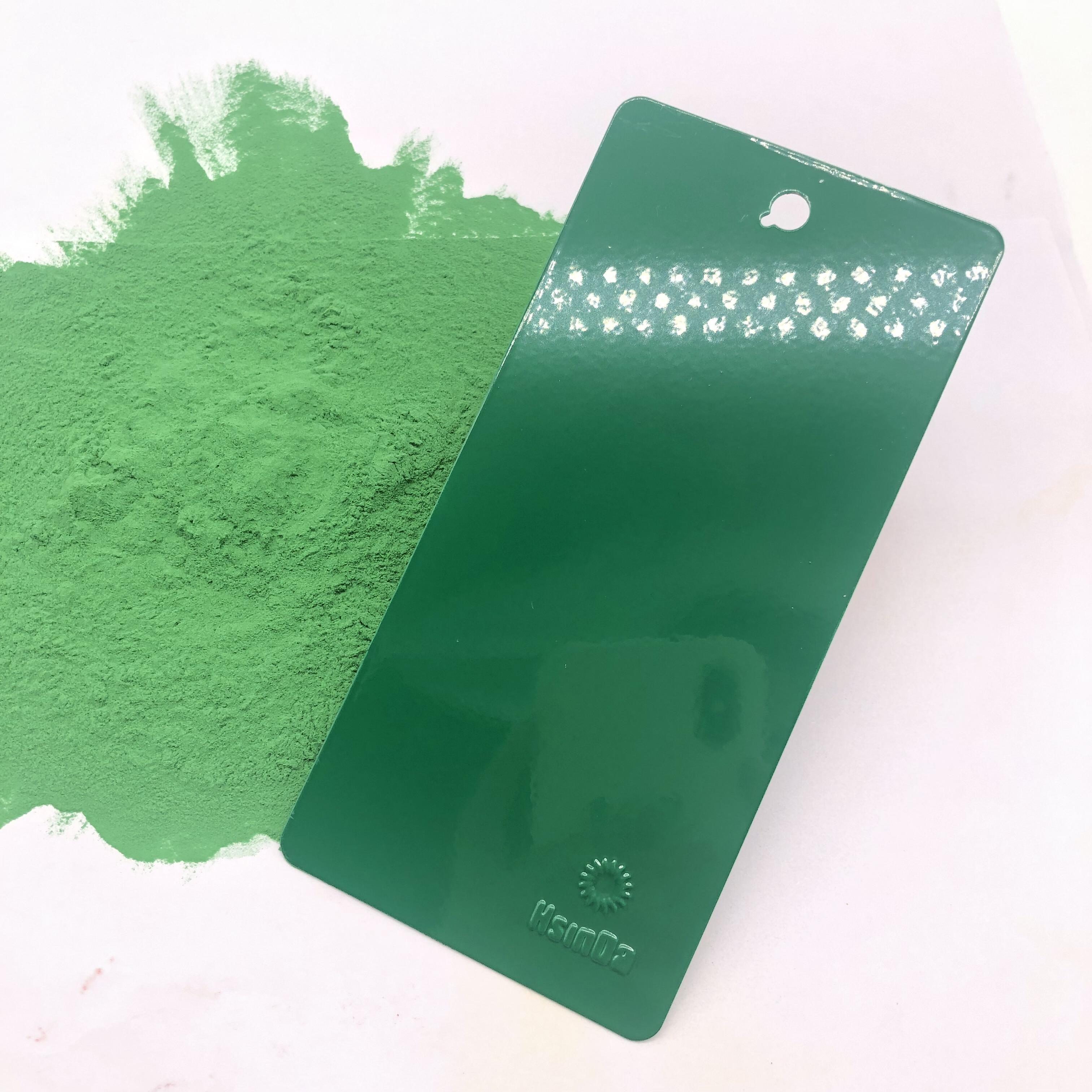
ប្រសិទ្ធភាពការផ្ទេរ និងផលប៉ះពាល់ដល់បរិស្ថានរបស់សារធាតុរាវសម្រាប់ប៉ះពាល់ (powder paint) និងសារធាតុរាវធម្មតា (liquid paint)
ប្រសិទ្ធភាពការផ្ទេរ ៩៥% ឡើងទៅរបស់សារធាតុរាវសម្រាប់ប៉ះពាល់ (powder paint) ប្រទំនឹង ៣០–៤០% សម្រាប់ការប៉ះពាល់សារធាតុរាវធម្មតា
នៅពេលដែលប្រើវិធីសាស្ត្រអេឡិចត្រូស្តាទិក ថ្នាំពណ៌ប៉ូវឌ័រជាប់នឹងផ្ទៃដោយប្រសិទ្ធភាពប្រហែល ៩៥%។ ភាគច្រើននៃអ្វីដែលត្រូវបានបាញ់ចេញ ពិតប្រាកដជាធ្លាក់ចុះនៅកន្លែងដែលគេបានគ្រោងទុក ហើយសំណល់ដែលនៅសល់អាចប្រមូលបាន ហើយប្រើម្តងទៀតបានដោយសារតែប្រព័ន្ធតម្រងបិទរង្វង់ (closed loop filtration systems)។ ប៉ុន្តែថ្នាំពណ៌រាវបែបប្រពៃណីប្រាប់រឿងផ្សេងទៀតវិញ។ ប្រហែល ៦០ ទៅ ៧០% នៃសារធាតុត្រូវបានខូចប៉ះ ដោយសារតែការបាញ់លើស (overspray) ការបាត់បង់ដោយសារការហាលខូល (solvent evaporation) ឬក្លាយទៅជាម៉ាស៊ីន (mist) ដែលមិនអាចប្រមូលបានវិញបាន។ នេះមានន័យថា ប្រសិទ្ធភាពការផ្ទេរ (transfer efficiencies) សម្រាប់ថ្នាំពណ៌រាវ ជាទូទៅមានតែប្រហែល ៣០ ទៅ ៤០% ប៉ុណ្ណោះ។ ភាពខុសគ្នានេះក៏បង្កបាក់ផងដែរ — ក្រុមហ៊ុនដែលប្រើថ្នាំពណ៌ប៉ូវឌ័រ ជាទូទៅកាត់បន្ថយការប្រើប្រាស់សារធាតុដើមបានតែម្តង ឬច្រើនជាងនេះ ប្រៀបធៀបទៅនឹងវិធីសាស្ត្របែបប្រពៃណី។ គុណសម្បត្តិធំមួយទៀត? ថ្នាំពណ៌ប៉ូវឌ័រមិនមានសារធាតុ VOCs ដែលគេស្គាល់គ្រប់គ្នាទេ។ គ្មានសារធាតុផ្សាយប៉ះពាល់ដល់ខ្យល់ដែលគេគួរបារម្ភទេ ដែលមានន័យថា គ្មានគ្រោះថ្នាក់ដល់ប្រព័ន្ធសើរដង្ហើម ឬការរួមចំណែកទៅកាន់បញ្ហាអុកស៊ីសេន (ozone problems) ទេ។ បន្ថែមលើនេះ សំណល់ពីដំណាំប៉ូវឌ័រមិនមែនជាសារធាតុគ្រោះថ្នាក់ទេ ហើយអាចប្រមូលបាន ហើយប្រើម្តងទៀតបានជាទូទៅ។ ការបាញ់លើសថ្នាំពណ៌រាវបង្កើតបានជាសារធាតុស្អីដែលគ្រោះថ្នាក់ ដែលត្រូវបានបោះចោលតាមតម្រូវការតឹងរឹងរបស់ស្ថាប័នការពារបរិស្ថាន (EPA)។ ការសិក្សាដែលបានបោះពុម្ពក្នុងវារសារវិជ្ជាជីវៈបានបង្ហាញថា ការផ្លាស់ប្តូរទៅប្រើថ្នាំពណ៌ប៉ូវឌ័រ អាចកាត់បន្ថយការប្រើប្រាស់ថាមពលសរុបបានប្រហែល ៣០% ប្រៀបធៀបទៅនឹងថ្នាំពណ៌រាវ។ ហេតុអ្វី? ព្រោះដំណាំការប៉ះ (curing process) ទាមទារពេលវេលាតិចជាង ហើយមិនចាំបាច់រង់ចាំឱ្យសារធាតុហាលខូល (solvents) ហាលចេញជាមុនទេ។
ហេដ្ឋារចនាសម្ព័ន្ធនៃការធ្វើឱ្យរឹង និងសមត្ថភាពប្រតិបត្តិការ: តម្រូវការថាមពលក្តៅសម្រាប់សំណាក់បាយផ្សែង
វដ្តនៃការធ្វើឱ្យរឹងដែលអាស្រ័យលើឡាម និងផលប៉ះពាល់របស់វាលើការប្រើប្រាស់ថាមពល និងល្បឿនខ្សែផលិតកម្ម
ដើម្បីទទួលបានស្រទាប់ផ្ទៃដែលមានភាពរឹងមាំ និងធន់ទៅនឹងគីមីវិទ្យា ការប្រើប្រាស់ថ្មីប៉ោវដែរត្រូវឆ្លងកាត់ដំណាំកំដៅ (thermal curing) នៅក្នុងផ្ទះធ្វើការឧស្សាហកម្ម ដែលមានសីតុណ្ហភាពកំដៅចន្លោះពី ១៨០ ដល់ ២០០ អង្សាសេលស្យូស (ប្រហែល ៣៥៦ ដល់ ៣៩២ អង្សាដាក់)។ ថ្សិតរាវមានវិធីដំណាំខុសគ្នា ព្រោះវាអាចស្ងួតដោយឯករាជ្យ ឬដំណាំដោយគ្មានការកំដៅខ្ពស់ប៉ុន្មានទេ។ យោងតាមការប៉ាន់ស្មានពីកម្មវិធីបច្ចេកវិទ្យាឧស្សាហកម្មរបស់ក្រសួងថាមពលសហរដ្ឋអាមេរិក ដំណាំកំដៅនៅក្នុងផ្ទះធ្វើការទាំងនេះប្រើថាមពលប្រហែល ៦០% នៃថាមពលសរុបដែលប្រើក្នុងខ្សែផលិតកម្មស្រទាប់ផ្ទៃ។ ពេលវេលាដំណាំជាទូទៅចាប់ពី ១០ ដល់ ៣០ នាទី ដែលមានន័យថា ខ្សែផលិតកម្មមិនអាចដំណើរការបានលឿនដូចខ្សែផលិតកម្មដែលប្រើប្រាស់ប្រព័ន្ធថ្សិតរាវ ដែលស្ងួតលឿនជាងនេះទេ។ គំរូថ្មីៗដូចជា ផ្ទះធ្វើការប្រភេទអ៊ីនហ្វ្រារ៉េដ (infrared) និងផ្ទះធ្វើការប្រភេទរួមគ្នារវាងការបញ្ជូនកំដៅតាមវិធីប៉ះទង្គិល (convection) និងអ៊ីនហ្វ្រារ៉េដ អាចជួយកាត់បន្ថយពេលវេលាកំដៅដំបូង និងសន្សំថាមពលបានខ្លះ ប៉ុន្តែទំហំផ្ទះធ្វើការនៅតែជាបញ្ហាធ្ងន់ធ្ងរសម្រាប់រោងចក្រជាច្រើន។ ក្រុមហ៊ុនត្រូវកំណត់ទំហំផ្ទះធ្វើការឱ្យសមស្របនឹងគោលដៅផលិតកម្មរបស់ខ្លួនឱ្យបានត្រឹមត្រូវ។ ប្រសិនបើឧបករណ៍មានទំហំតូចពេក នោះអត្ថប្រយោជន៍ទាំងអស់នៃការប្រើប្រាស់ថ្មីប៉ោវដែរ ដូចជាការសន្សំសាច់ធាតុ និងផលប៉ះពាល់ល្អជាងដល់បរិស្ថាន នឹងបាត់បង់ទាំងស្រុង។
ទំព័រ ដើម
- តម្រូវការសម្រាប់ការរៀបចំផ្ទៃសម្រាប់ការលាបពណ៌ជាមួយបាយផ្សិត និងការលាបពណ៌ជាប្រភេទរាវ
- វិធីសាស្ត្រអនុវត្ត៖ របៀបដែលការដាក់ស្រទាប់ថ្នាំប៉ូវឌ័រខុសពីការបាញ់ថ្នាំរាវ
- ប្រសិទ្ធភាពការផ្ទេរ និងផលប៉ះពាល់ដល់បរិស្ថានរបស់សារធាតុរាវសម្រាប់ប៉ះពាល់ (powder paint) និងសារធាតុរាវធម្មតា (liquid paint)
- ហេដ្ឋារចនាសម្ព័ន្ធនៃការធ្វើឱ្យរឹង និងសមត្ថភាពប្រតិបត្តិការ: តម្រូវការថាមពលក្តៅសម្រាប់សំណាក់បាយផ្សែង