 EN
Why Automotive Manufacturers Keep Choosing Paint Powder Coating
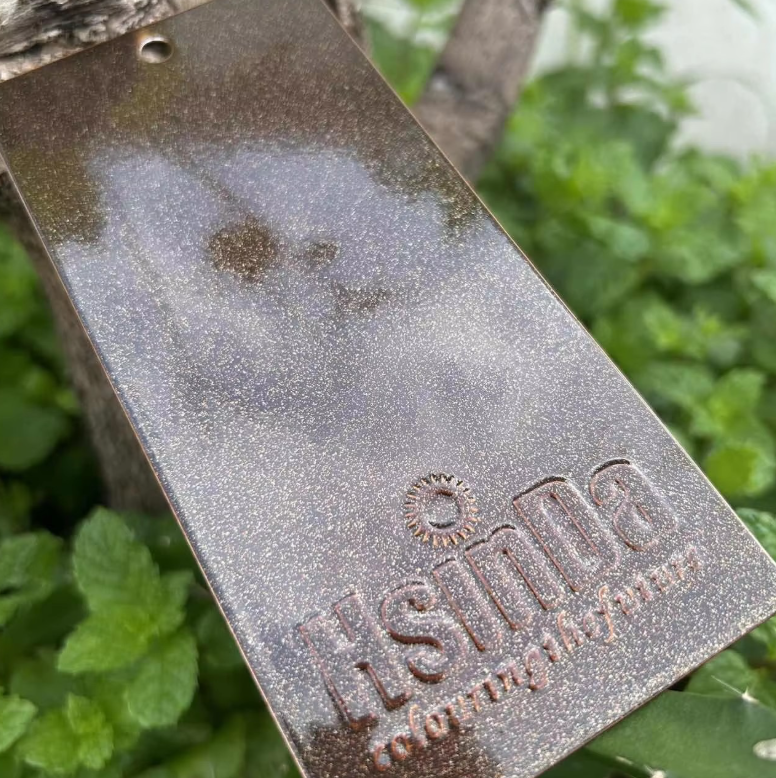
Paint powder coating has become a default finish on many automotive parts lines, and the reasons go beyond fashion. A dry powder is charged, sprayed onto a grounded metal part, then cured in an oven. The process forms a continuous film that resists chips, chemicals, and UV exposure. Automotive parts face road salt, gravel, engine heat, brake dust, and years of weather. A finish that fails early creates warranty costs and brand damage. Powder coating offers a thick, uniform film without solvents. That matters for bumpers, brackets, wheels, suspension arms, battery trays, and under hood components. It also matters for plants under pressure to cut volatile organic compound emissions. The technology fits the industry because it aligns durability, appearance, and environmental rules in one process.
Durability and Corrosion Protection Under the Hood and Outside
Automotive parts live in harsh conditions. A control arm may see stone strikes and salt spray. A battery enclosure may face moisture and road chemicals. A wheel may face brake dust and cleaning agents. Powder coating performs well here because the cured film is crosslinked and tightly bonded. Pretreatment is the foundation. A proper phosphate or zirconium conversion coating prepares the steel or aluminum for adhesion. Without it, even a premium powder can peel. Salt spray testing per ASTM B117 is a common benchmark, and automotive specifications often require hundreds of hours. SAE International publishes standards for coating performance that help engineers compare materials. Powder coatings can be formulated for flexibility, so parts that flex or bend do not crack easily. That balance of hardness and flexibility is why powder coating appears on so many structural and visible parts.
How Electrostatic Application Cuts Waste and Emissions
Electrostatic application is the engine behind powder coating efficiency. A spray gun gives powder particles an electrical charge. The grounded part attracts those particles, which improves transfer efficiency. Overspray can be collected and reused, often blended back into the feed. Liquid paint overspray cannot be recovered the same way. That difference reduces material waste and hazardous waste disposal. The U.S. Environmental Protection Agency has noted that powder coatings can lower volatile organic compound emissions compared with solventborne liquid coatings. Lower emissions can simplify air permits and reduce compliance costs. There are limits. Powder requires a curing oven, so heat sensitive substrates are a poor fit. Color changes take time and careful cleaning. Thin decorative films can be harder to achieve than with liquid systems. For automotive parts that are metal and produced in volume, those limits are usually manageable.
Comparing Powder Coating with Liquid Paint on Automotive Lines
The table below uses typical ranges from industry sources such as the Powder Coating Institute, SAE, and EPA. Actual results depend on part geometry, pretreatment, line design, and operator skill.
| Factor | Liquid Paint | Paint Powder Coating |
|---|---|---|
| Film thickness per coat | Lower, multiple coats often needed | Higher, often one coat |
| Solvent content | High in solventborne systems | None |
| Overspray recovery | Limited | High, powder can be reused |
| VOC emissions | Higher | Very low |
| Cure requirement | Air dry or bake | Bake only |
| Color change | Faster | Slower, needs cleaning |
| Best fit | Low volume, many colors | High volume, metal parts |
| Durability | Good with proper system | Excellent chip and chemical resistance |
The data shows a tradeoff. Liquid paint still wins for some low volume and heat sensitive applications. Powder coating wins when durability, uniformity, and emissions matter. Automotive manufacturers often run both, using powder for high volume metal parts and liquid for special colors or plastic components.
Real Production Case from an Automotive Supplier
An automotive supplier in the Midwest produced steel brackets and battery trays. The existing liquid line struggled with solvent costs, filter changes, and inconsistent film thickness on complex shapes. Rework from runs and sags added cost. The plant moved the highest volume parts to a powder line with a five stage pretreatment system. A data logger tracked oven temperature on the part, not just the air. The team found a cold spot near the conveyor edge and adjusted the line speed. After the change, film thickness became more uniform, and salt spray performance improved. The color change from black to gray took longer than the old liquid line, so production scheduling shifted to larger batches. The tradeoff worked because the parts were metal, the volumes were high, and the finish requirements were strict. That is the pattern in automotive powder coating, the process rewards planning.
Supply Chain and Hsinda Support for Automotive Coating Programs
A reliable finish depends on consistent powder and technical support. Hsinda operates an ERP management system built to European standards and a digital MES production system. Annual capacity is roughly 5,000 tons of various powder coatings, including epoxy, epoxy polyester, and special functional powders. The factory runs 8 large production lines and 3 experimental lines, with monthly output near 500 tons. Certifications include ISO14001, CE, ISO9001, and RoHS, along with Florida test and antibacterial test data. Hsinda provides coating quality analysis, furnace temperature detection records, cost accounting, and production line review. The R&D center develops new products for changing market needs. For automotive parts makers weighing a switch to powder, Hsinda offers manufacturing depth, quality control, and supply chain support that can turn a technical decision into a dependable production program.
Table of Contents
- Why Automotive Manufacturers Keep Choosing Paint Powder Coating
- Durability and Corrosion Protection Under the Hood and Outside
- How Electrostatic Application Cuts Waste and Emissions
- Comparing Powder Coating with Liquid Paint on Automotive Lines
- Real Production Case from an Automotive Supplier
- Supply Chain and Hsinda Support for Automotive Coating Programs